




MSC launches global sustainability drive
A new initiative aimed at accelerating progress in sustainable fishing practices worldwide has been launched by the Marine Stewardship Council (MSC).
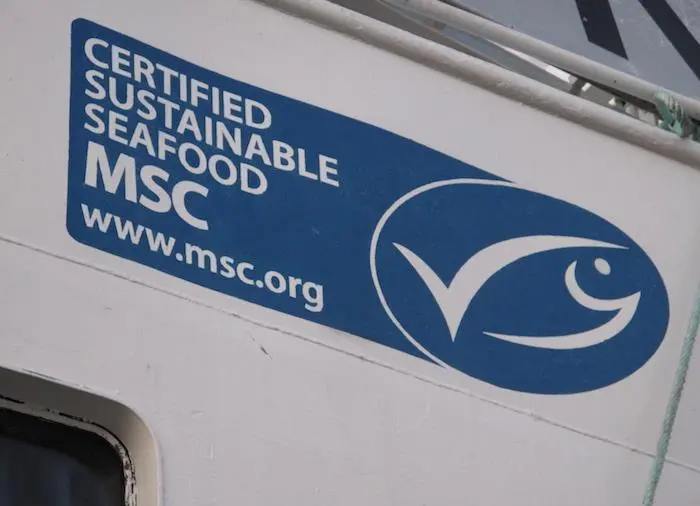
To-date, over 500 fisheries have been certified according to the MSC’s Fisheries Standard, a global certification programme for environmentally sustainable fisheries. However, the organisation says that with overfishing on the rise – nearly 38% of global fish stocks are deemed to be overfished, according to the latest UN data – there is an urgent need for more rapid progress.
The new MSC Improvement Programme seeks to address this by offering fisheries support and incentives, provided they make measurable improvements over a five-year period. These improvements will be guided by an action plan that is independently verified.
MSC said this initiative complements existing fishery improvement projects (FIPs), which operate globally. But it also recognizes that while many businesses already source seafood from FIPs as part of their sustainable sourcing commitments, the effectiveness and impact of these projects can vary significantly.
Through the Improvement Programme, MSC intends to provide stronger assurance that the FIPs’ progress is verified and timely. It will recognise the most effective FIPs with the aim that they enter full assessment against the MSC Fisheries Standard within five years.
“The MSC works with hundreds of committed fisheries around the world that are leaders in sustainability. However, not all fisheries are currently able to meet our Fisheries Standard, despite the growing urgency. This new initiative aims to incentivize fisheries to improve their sustainability practices. In doing so, we support not only the health of the oceans and future seafood supplies but also the livelihoods of the communities that rely on fishing,” MSC Head of Fishery Standard Accessibility Amanda Lejbowicz said.
Fisheries participating in the MSC Improvement Programme will not be eligible to use the MSC ecolabel as their catch is not certified sustainable. However, once they achieve minimum performance requirements across all indicators and meet specific traceability requirements, they may gain access to MSC-certified supply chains.
Retail products containing their seafood can display a back-of-pack statement indicating their participation in the programme.
MSC advised that new programme builds on a previous pilot initiative, which ran for several years. The first certification resulting from the pilot was awarded in August 2024 to part of the South African albacore fishery.
Related Articles
 SUSTAINABILITY
 FISHING TECHNOLOGY
 FISHERIES