




A study by the University of Aberdeen has found that a decline in the length of fish in the North Sea could be linked to climate change.
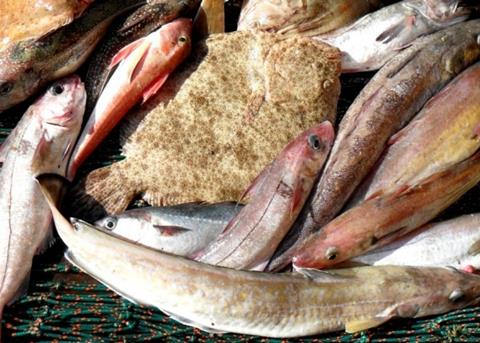
The maximum body length of haddock, whiting, herring, Norway pout, plaice and sole in the North Sea has decreased by as much as 29% over a 38-year period, which coincides with an increase in water temperatures of between one and two degrees Celsius.
Dr Alan Baudron, Research Fellow at the University’s School of Biological Sciences led the study, which was funded by Marine Scotland Science (MSS).
He said: “What is interesting is that this was detected across a range of fish species eating different diets, living at different depths and experiencing different levels of fishing mortality. The synchronicity suggests that the one common factor they all experienced – increasing water temperatures – could have been at least partly responsible for the observed reductions in length.”
He said that the findings are consistent with current understanding of the physiology of fish. Because fish are ‘cold-blooded’ animals their metabolic rates are determined by the ambient temperature. In general, fish grow more rapidly during their early life when temperatures are warmer. The consequence of rapid juvenile growth is that they become mature at a smaller length and therefore do not grow as large as they would have in colder waters.
Dr Coby Needle of Marine Scotland Science (MSS) said, “However, the synchronous reduction in length did not apply to all species – cod, for instance, did not conform to it." He also said that other factors, such as food availability and fishing pressure, may also have impacted growth individually for each species.
It is hoped that these findings will promote further research to investigate the impacts of climate change on fisheries productivity.