




Sustainability programme grows by a fifth
Participation in the Global Seafood Alliance’s certification programmes grew by almost a fifth in 2023 in a clear sign that the industry is committed to sourcing and producing sustainable seafood.
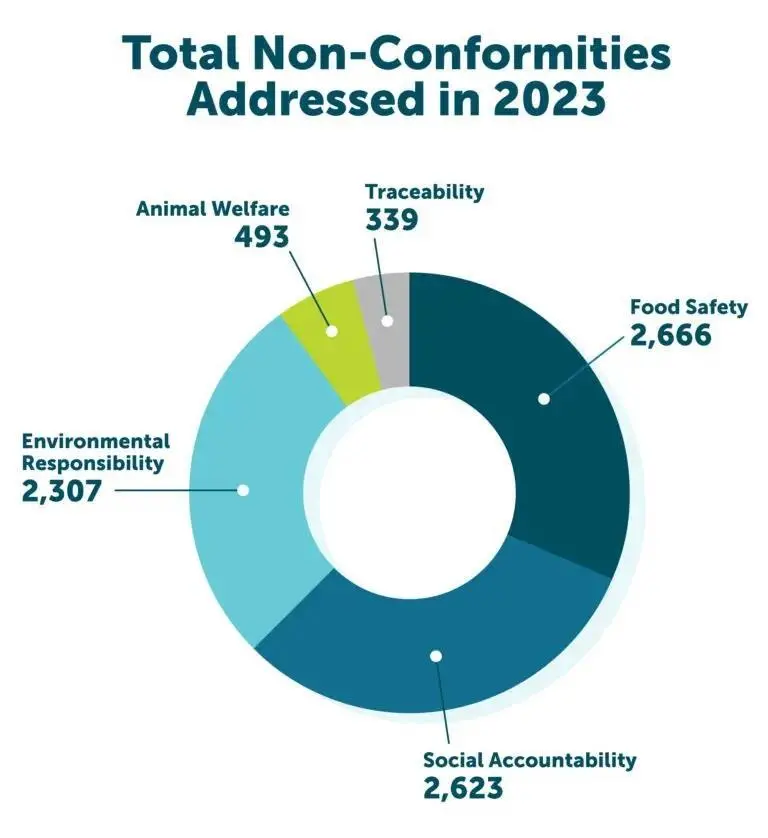
Third-party certification grew 18%, ending the year with 3,959 certified processing plants, farms, hatcheries and feed mills in 43 countries. Retention rate for the Best Aquaculture Practices (BAP) programme was 91%.
Of the total 3,959 facilities, 541 are processing plants, 2,905 are farms, 153 are feed mills and 360 are hatcheries. During 2023, these companies made a total of 8,428 improvements to ensure continued compliance.
Plants certified to GSA’s Seafood Processing Standard reported more than 3 million tonnes of annual production. GSA also ended the year with 32 vessels certified to the Responsible Fishing Vessel Standard.
A year of firsts
The year also saw many firsts for GSA, including the world’s first BAP-certified sturgeon farm (Azerbaijan Fish Farm), Sri Lanka’s first BAP-certified black tiger shrimp processing plant (Srimic Exports), the first BAP-certified producer in South Africa (SanLei), the first BAP-certified feed mill in Norway (Skretting) and the first BAP-certified facility in Japan (Ainan Fishery Cooperative Association).
There were also two companies – Cape Fish and Associated Seafoods – that were the first in South Africa and the UK to attain certification for their wild seafood processing plants.
This year marks 20 years since the first BAP-certified farm, a shrimp farm in Belize, attained certification.
Related Articles
 SEAFOOD
 PROCESSING & REFRIGERATION
 SEAFOOD