




Scottish seafood strategy
The Scottish government has published its first strategy for the seafood sector, detailing how the industry will be supported to remain internationally competitive despite the challenges of post-Brexit trading.
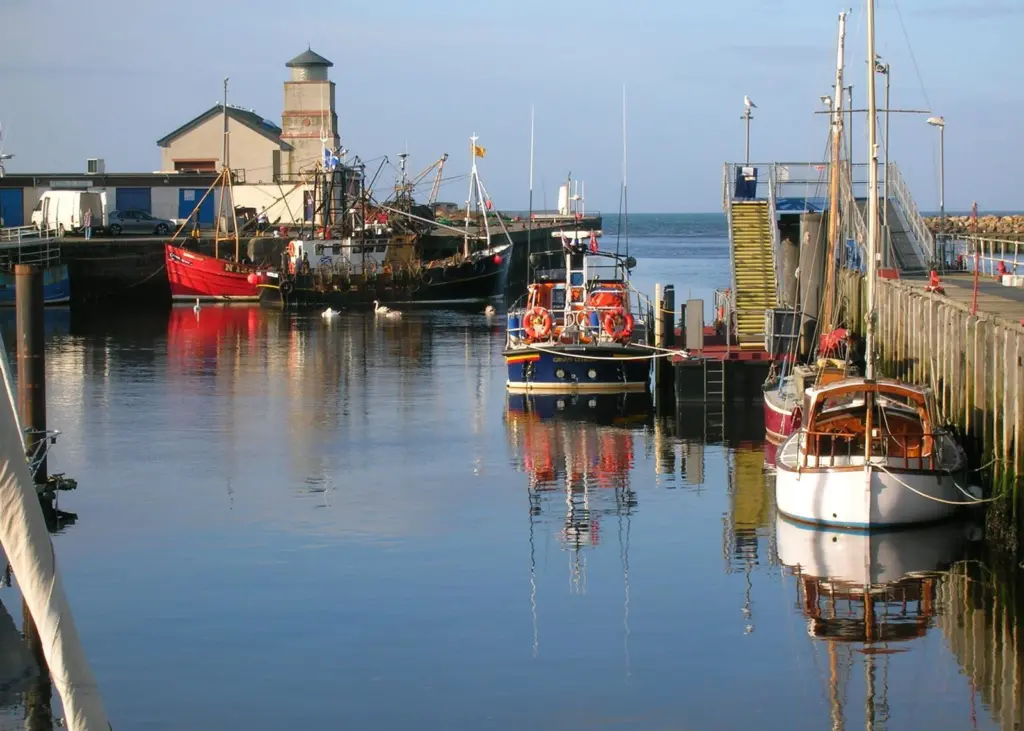
The strategy also focuses on sustainability, bringing new talent to Scotland’s rural and coastal areas, and changing licences to ensure catch is landed in the country and to favour greater landings of valuable species.
Whilst the industry, which employs 15,000 people across the country, has recovered from the Covid-19 pandemic, it has not yet returned to pre-Brexit levels, according to the latest fisheries statistics.
“With increasing competition and pressure on our seas and coasts, it is important to recognise the value that our world-renowned seafood sector brings to the Scottish economy,” said Rural Affairs Secretary Mairi Gougeon.
The publication has been welcomed by the industry with Donna Fordyce, chief executive of Seafood Scotland saying it ‘sets out clear action in terms of innovation and sustainable practices’.
“We particularly welcome the focus on the importance of sourcing Scottish data from UK wide figures as it will help us better understand trade flows – and barriers – across the UK and overseas, and ensure we are better placed to target our efforts where they are most effective,” she said.
Jimmy Buchan, chief executive of the Scottish Seafood Association, called the strategy cohesive and one which ‘reflects the key concerns and priorities of the industry’.
“The economic link changes are a good way to protect businesses and jobs in Scotland and we look forward to working with the Scottish government to achieve long-term growth for the seafood sector,” he said.
Related Articles
 SEAFOOD
 SEAFOOD
 PROCESSING & REFRIGERATION