





EU shrimp imports bounce back
In 2024, the European Union imported 376,875 tonnes of raw, frozen white shrimp and value-added shrimp from Latin America, Asia, Africa and the Middle East, representing a 4% increase from the previous year and just 1% less than in record year 2022, according to new figures from Shrimp Insights.
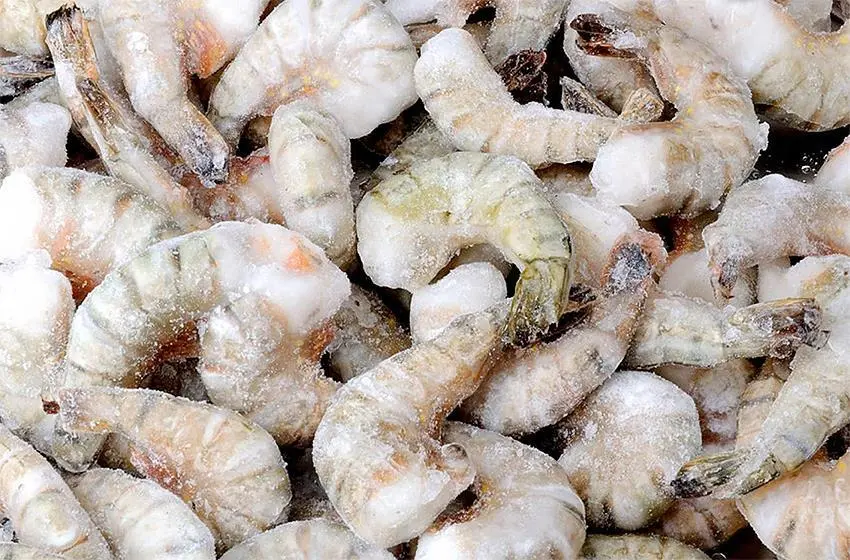
The product categories include practically all farmed shrimp imports into the EU and excludes most wild-caught shrimp.
Shrimp Insights said the long-term import growth trend is clear, with 2024’s volume being 26% above 2019, adding that the growth is equally driven by demand from the South and Northwestern parts of the EU, which each grew at +24% over the period. The Eastern part of the EU is still small but is growing much faster – recording a 146% upturn compared to 2019.
While last year’s imports of value-added items grew the fastest, the longer-term trend indicates that growth has primarily been realised through imports of raw frozen products. Value-added imports have recorded zero growth since 2019 while imports of raw frozen shrimp grew by 31%.
Shrimp Insights explained that this doesn’t mean that value-added sales didn’t grow faster as some of the imported shrimp may be imported raw frozen, but processed in the EU into value-added products.
In terms of the market’s suppliers, Vietnam’s rebounded to some extent last year, while imports from Ecuador and India grew moderately. However, the longer-term trend shows the growth of imports since 2019 has primarily been accounted for by Ecuador (+78%) and India (+47%).
While Venezuela grew fast in the EU, imports in November and December stalled after Lamar Group’s farms and processing plants were nationalised, Shrimp Insights said, adding that if Bangladesh does not stop its negative spiral, it will soon fall off the list of the EU’s top five suppliers.
It’s also noted that the volume growth in 2024 came amidst low prices for most of the year. However, since October, average import prices have increased quickly, and importers and exporters alike seem to feel comfortable that a higher price level will be established and maintained through most of 2025 due to healthier inventories.
Related Articles
 AQUACULTURE
 SEAFOOD
 SEAFOOD