





Scallop dredge sea trials show cost savings
Sea trials to test the use of more cost effective materials and components in Queen Scallop dredges have shown cost savings and positive environmental benefits in reducing seabed impact, leaving less sand in the dredge, much cleaner queens and a reduction in the King Scallop bycatch.
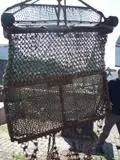
West Coast Sea Products (WCSP) Ltd, of Kirkcudbright, Dumfries and Galloway, successfully applied for funding under the Seafish Industry Project Fund to test a range of different materials suitable for dredge construction, which have the potential to reduce the weight and cost of these dredges. Sea trials are ongoing aboard King Challenger BA 87 skippered by Dougie White.
The current design and materials used in the construction of Queen Scallop dredges were looked at, and the steel type and quality, carbon content, and the hardening of the steel were also investigated.
WCSP has been trailing new materials to replace those used in dredges that are at present subject to the most excessive wear. Because of this they are constantly being replaced or repaired at ever increasing costs to vessel owners.
Changes already made to the dredges in the form of flappers and modified bellies have shown very positive results in reducing seabed impact and King Scallop bycatch. The flexible rubber flappers have been found to be very effective in reducing stones in the dredges and perform as well as the conventional teeth dredges.
An earlier version of an altered dredge has also been tested, with a grid section replacing approximately half of the conventional ring belly and has achieved very positive results. This has now been taken a stage further with the size of the grid section increased to leave only a few rows of steel rings remaining. This has resulted in less sand in the dredge and much cleaner queens.
The Lancaster University report on this project will be available in April.
Related Articles
 FISHING TECHNOLOGY
 NEW VESSELS
 FISHING TECHNOLOGY