


“We have seen a range of successes in tackling sea lice over the last few years, which have led to real progress and a noteworthy reduction in their numbers,” said Heather Jones, CEO of the Scottish Aquaculture Innovation Centre (SAIC). “However, there’s always room for improvement and we’re keen to hear from as many voices as possible – we all know there is still much more to do.”
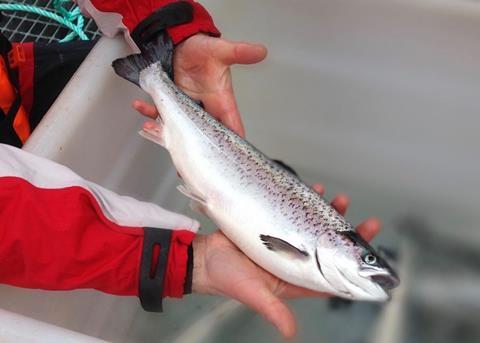
Her comments follow those of Rural Economy Secretary Fergus Ewing in the Scottish Parliament, stating that the salmon industry had already recognised that it must become more open and transparent, and had announced its own sea lice reporting plans.
Sea lice numbers have been voluntarily made available by the industry since last year, but new legislation will be introduced next year to make it compulsory. Rural Economy Secretary Fergus Ewing also said operators will have to report outbreaks at a much earlier stage.
“The management, control and prevention of sea lice is critical to the future of fish health and welfare in Scotland’s aquaculture industry and we welcome today’s progress on this important issue. The use of innovative and integrated methods will be critical to our success in the future and SAIC is prepared to continue its support of the industry’s efforts,” Heather Jones said.
“Given the value of salmon to Scotland’s economy, it’s incumbent on all of us to work together and look for solutions. We will continue to encourage organisations involved in Scottish salmon production to share valuable insights and collaborate for the continued improvement in fish wellbeing, while also supporting the Scottish environment and wider economy.”