



Return of the sprat
Sprat fish that form a “vital” part of the marine food chain have returned in huge numbers to the River Clyde in Scotland, according to new research.
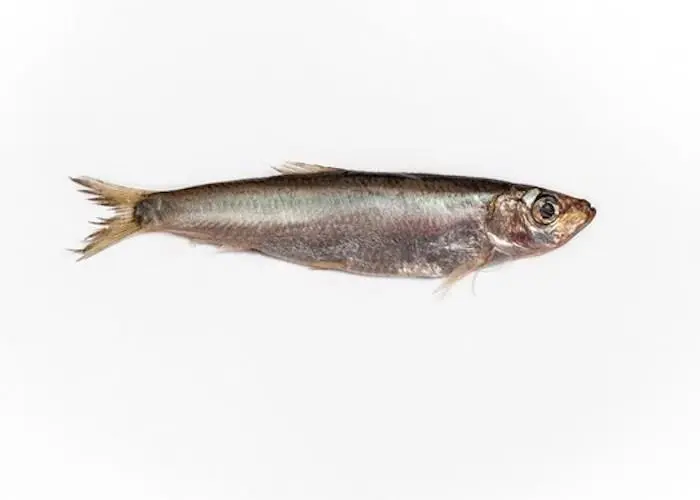
Scientists at the University of Aberdeen found that the small fish, which serves as food for many other marine species, has increased its numbers 100-fold since the late 1980s.
Professor Paul Fernandes, a fisheries scientist at the University’s School of Biological Sciences, who supervised the study, said: “Sprat form a critical part of the marine food chain, and are vital for other larger fish such as cod and whiting, as well as other animals further up the food chain such as seabirds, whales, dolphins, and sharks. It is fantastic to see these parts of the food chain recover. This should, in time, lead to recovery of the populations of the larger animals that feed on them.”
Enormous schools of sprat
The authors, working with Marine Scotland Science on their vessel Alba na Mara, used scientific sonar equipment to detect enormous schools of sprat – some were over 2km long and over 30m deep. They then used advanced sonar processing techniques to estimate the numbers of each species over three years from 2014 to 2016. The total weight of sprat in 2016 was estimated at over 70,000t.
The Clyde was once a thriving marine ecosystem with large fisheries for herring and other species such as cod and haddock. In recent decades, these fisheries have disappeared, largely due to overexploitation. Herring fishing disappeared in the late 1990s. The study showed that herring are still present but not recovered, despite the observation by Dr Joshua Lawrence, who led the study, that “there has been virtually no fishing pressure on herring in over 20 years”.
Published in the journal Current Biology and funded by the Marine Alliance for Science and Technology Scotland (MASTS), the study also revealed large concentrations of krill, a major food source for the fish and for other larger animals such as minke whales.
Related Articles
 FISHERIES
 FISHERIES
 WORLD FISHING EVENTS