


Raised HAB concerns
With climate change increases raising the risk of harmful algal blooms (HABs) in Scottish waters, aquaculture experts are advocating the region’s uptake of technologies that support collaborative efforts to protect farmed fish from such phytoplankton events.
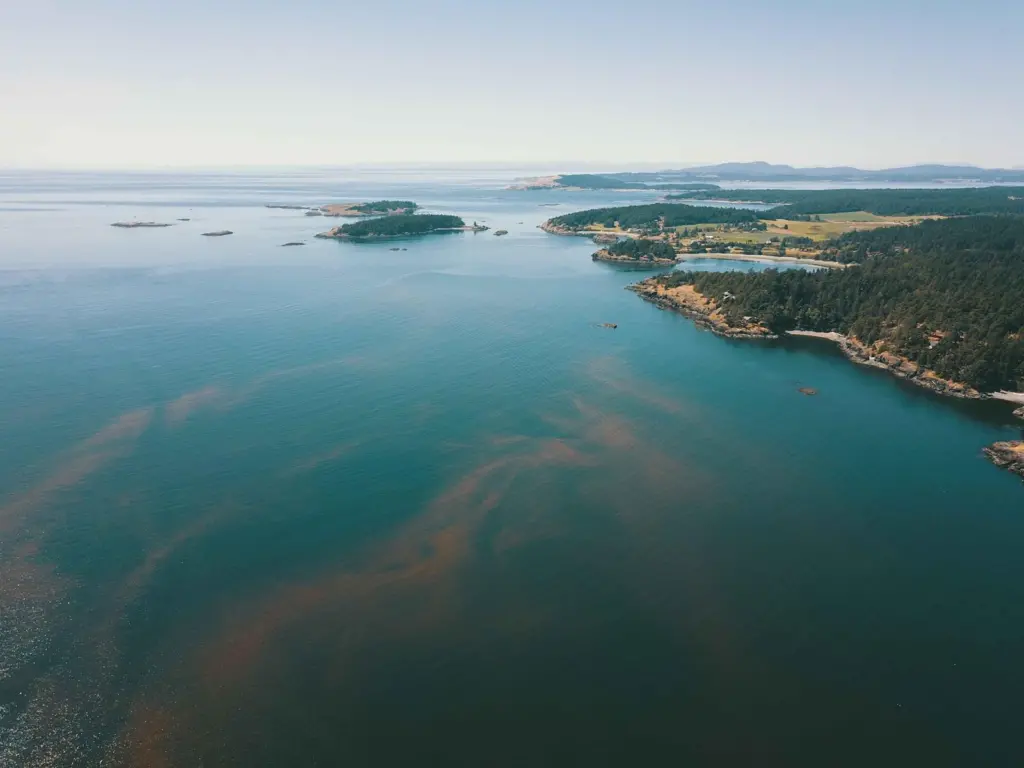
Compared to overseas salmon producing countries such as Chile and Canada, HABs in Scotland are typically less frequent but also more difficult to predict.
While many producers are still using manual water quality sampling and microscopic analysis to detect whether HABs are present, industry and experts agree that a greater focus on technology could hold the key to regular, real-time data collection and the development of early warning systems.
According to Mowi Fish Health Laboratory Manager Debra Brennan, with regular monitoring, potential negative consequences can be managed and mitigated.
“One of the biggest priorities for farmers is caring for fish in the best ways possible, using all the tools and technologies available to them, such as monitoring procedures that make it quick and simple to identify risks.
“We currently use an image-based process for identifying different species, with health team members on hand to support with action plans as required. The process needs to be as user-friendly as possible, but we could use new technology to our advantage to support that and enable us to take early action to protect fish from potential harm,” she said.
Marine technology developer OTAQ is among a number of businesses in the aquaculture supply chain looking at how the process of identifying and predicting HABs could be digitised. Its early warning system is expected to reach the commercial market later this year and uses a combination of artificial intelligence (AI), sensor technology, and digital microscopy to help identify potential issues accurately and quickly.
“Our goal is to automate the process of identifying harmful phytoplankton, allowing fish farmers to take action to protect their fish as early as possible. Workers on site might have a range of different abilities when it comes to recognising different species, but a combination of real-time, 24/7 data and digital image analysis will enable producers to prevent threats to welfare and reduce losses,” OTAQ Chief Technology Officer Chris Hyde said.
“AI is a growing area of interest for marine operations, particularly in aquaculture, and this system will demonstrate the potential impact that advanced technology can have for the sector, in this case protecting stocks and minimising the health risks associated with HABs.”
Sensing technology and mitigation tools were core themes of the discussions at the Global HAB Workshop: Industry Perspectives hosted by the Sustainable Aquaculture Innovation Centre (SAIC) earlier this month – part of a wider event organised by the University of Strathclyde, University of Glasgow and the Scottish Association for Marine Science (SAMS) – which saw sector experts share insights about the impact of HABs. Mitigation techniques were also discussed, such as amends to feeding regimes, clean water upwelling, oxygenation systems and bubble curtains.
SAIC has also supported collaborative initiatives looking at managing the impact of HABs, including the development work behind OTAQ’s live plankton analysis system through funding provided to the University of Aberdeen. This was Scotland’s first project funded by both SAIC and CENSIS (Scotland’s innovation centre for sensing, imaging and Internet of Things technologies).
SAIC Director of Innovation and Engagement Sarah Riddle said, “In dealing with HABs, early warning is key – having even a few hours’ notice, so that a robust mitigation programme can be put in place, can make a big difference to fish health. There are still challenges to overcome in adopting new technology, including digital connectivity at remote sites and the ability to handle and analyse vast amounts of data, but there are significant opportunities for producers to use technology and innovative mitigation tools to protect fish.
“Collaboration and knowledge sharing is crucial to helping the sector expand its economic impact while reducing its environmental footprint, and that will only become more important as the occurrence of HABs increases.”
HABs occur when microscopic algae populations grow, amplified by environmental factors and weather conditions, to form blooms. They can be particularly problematic for gill health.
Related Articles
 AQUACULTURE
 AQUACULTURE
 AQUACULTURE