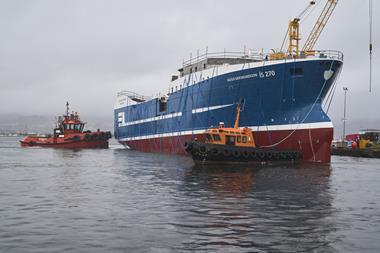




In an unprecedented move, New Zealand''s Minister of Fisheries, David Benson-Pope has called the bulk of the country''s squid fishing fleet back to port to prevent seabird deaths.
The ministry said it was the first of a package of measures being introduced to address a lack of commitment by the majority of the industry in adhering to codes of practice designed to protect seabirds.
Mr Benson-Pope said that while voluntary codes had dramatically reduced seabird deaths in some fisheries, blatant bad behaviour, most notably in the squid fishery, demanded immediate action. The move will also put controls on the squid vessels before they shortly switch to other fisheries which have a potential for high seabird mortality.
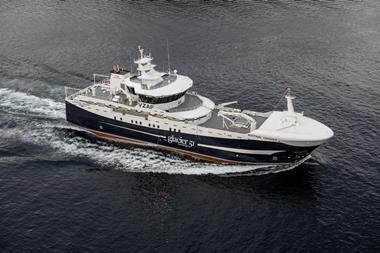
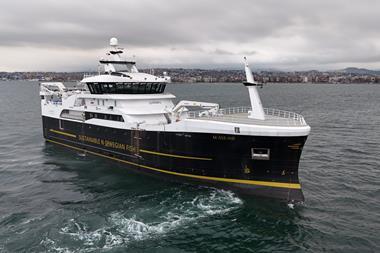
A statement said the minister had directed the Ministry of Fisheries to place observers on all vessels known not to be following industry best practice. This is in effect the majority of the squid fleet which can number 35 of the largest boats operating in New Zealand waters, a statement from the Ministry of Fisheries of New Zealand said.
The vessels will have to return to port within five days to have an independent observer placed on board.
Also required will be mandatory use of equipment to scare seabirds away from vessels and the mandatory control of fish offal discharge, another factor which attracts sea birds to vessels.
NZ$100,000 fines
New regulations could mean offenders face fines of up to NZ$100,000 (€57,000) for those who fail to comply and the minister is to consult with stakeholders on these regulations as soon as possible..
"We introduced voluntary codes because [the]industry said they were willing meaningfully to co-operate in reducing the needless death of seabirds," said Mr Benson-Pope. "The squid fishing industry has had every opportunity to act responsibly and, despite some good operators, the majority have chosen not to. These measures are the inevitable consequence of their poor behaviour."
Mr Benson-Pope says that, two weeks before announcing the recall, he had received evidence of squid fishers failing to comply with the code of practice. He requested an immediate investigation by the Ministry of Fisheries and the Department of Conservation, which revealed that non-compliance had been alarmingly widespread. They found that:
* Some 46 per cent of vessels did not use a back-of-the-boat mitigation device, with a further eight per cent only using one intermittently * Some 30 per cent of vessels discharged. offal either during trawling or hauling of nets, with a further 26 per cent doing so intermittently
* Only 30 per cent of vessels complied with both mitigation and offal management requirements, as set out in the code
Mr Benson-Pope says the fishing industry is on notice: "I will be investigating other fisheries operating under voluntary codes to ensure those codes are working.
"Voluntary agreements can and are working when the industry shows true commitment and keeps to their word. Without that commitment from industry the government has no other recourse but to bring in regulation," said M. Benson-Pope. Since the application of mitigation measures in the longline fisheries, deaths of seabirds have reduced by 75 per cent and in the joint venture tuna fishery it has gone down by 95 per cent.