






Zunibal, AZTI develop new biodegradable FAD
Tests carried out on compostable fish aggregating devices (FADs) in the Atlantic and Indian Oceans by Zunibal, in collaboration with AZTI, have paved the way towards the development of a new FAD made of a material that is biodegradable in marine environments.
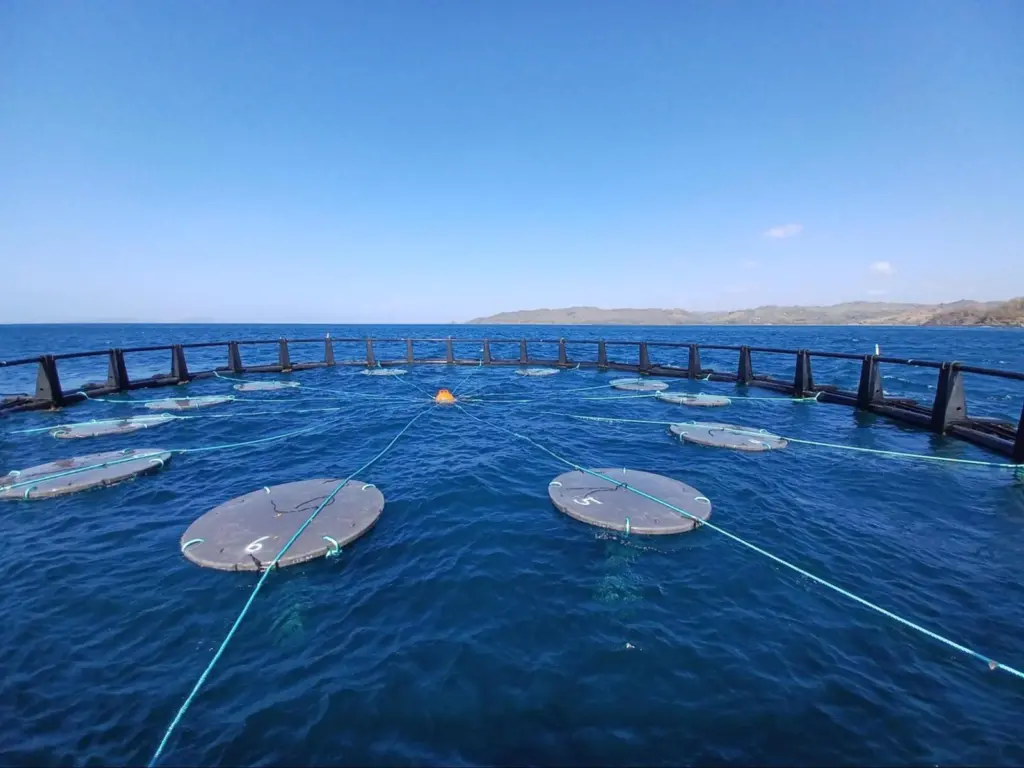
The new material, certified by the Japan BioPlastics Association, meets the biodegradability standards defined by regional fisheries management organisations (RFMOs). This material improves the FAD’s mechanical properties, resulting in a lighter and more resistant FAD.
Since February 2024, with the collaboration of the Inter-American Tropical Tuna Commission (IATTC) and the European fleet, 12 compostable FADs have been deployed in semi-controlled environments and a further 210 deployed in the Atlantic and Indian Oceans.
Zunibal said the next phase of the project will assess its durability under real fishing conditions.
“This milestone is the result of a joint effort between the fishing sector and applied research. Thanks to previous tests, we have been able to perfect the design and material. Today we can say that we offer the first industrialised FAD of its kind made of a 100% biodegradable material suitable for marine environments.” Zunibal’s Álvaro Núñez said.
The new platform is made of a bio-based PBS material derived from natural materials such as sugar cane, cassava and corn. It has been certified as biodegradable in marine environments under the ISO 19679 standard by the Japan BioPlastics Association.
Founded in 1989, JBPA is a leading organisation in the promotion and certification of biodegradable and bio-based polymers. Its work has been instrumental in establishing industry standards both in Japan and internationally, as well as in developing methodologies for the analysis and evaluation of these materials.
In case of sinking, the platform will descend to the seabed where a natural biodegradation process begins. Microorganisms present in the sediments and seawater degrade the material, releasing CO₂ and water without leaving harmful residues for the ecosystem.
According to Zunibal, its composition makes it possible to offer a much lighter and stronger solution than its predecessors, using less material without compromising its durability. Also thanks to this new material, the platform meets the definitions of Biodegradable FAD established by RFMOs, which require bio-based materials used to conform to international standards for biodegradable materials in marine environments.
“This new certified material represents a significant advance in reducing the impact of tropical tuna fishing on the ecosystem, responding to regulatory and environmental challenges posed by the industry and Regional Fisheries Management Organisations,” AZTI’s Iker Zudaire said.
Related Articles
 FISHING TECHNOLOGY
 NEW VESSELS
 FISHING TECHNOLOGY