






Winners and losers of warming UK seas
Fish lovers in the UK may have to swap their cod and haddock for more Mediterranean fare like seabream and seabass as warming oceans force species northwards.
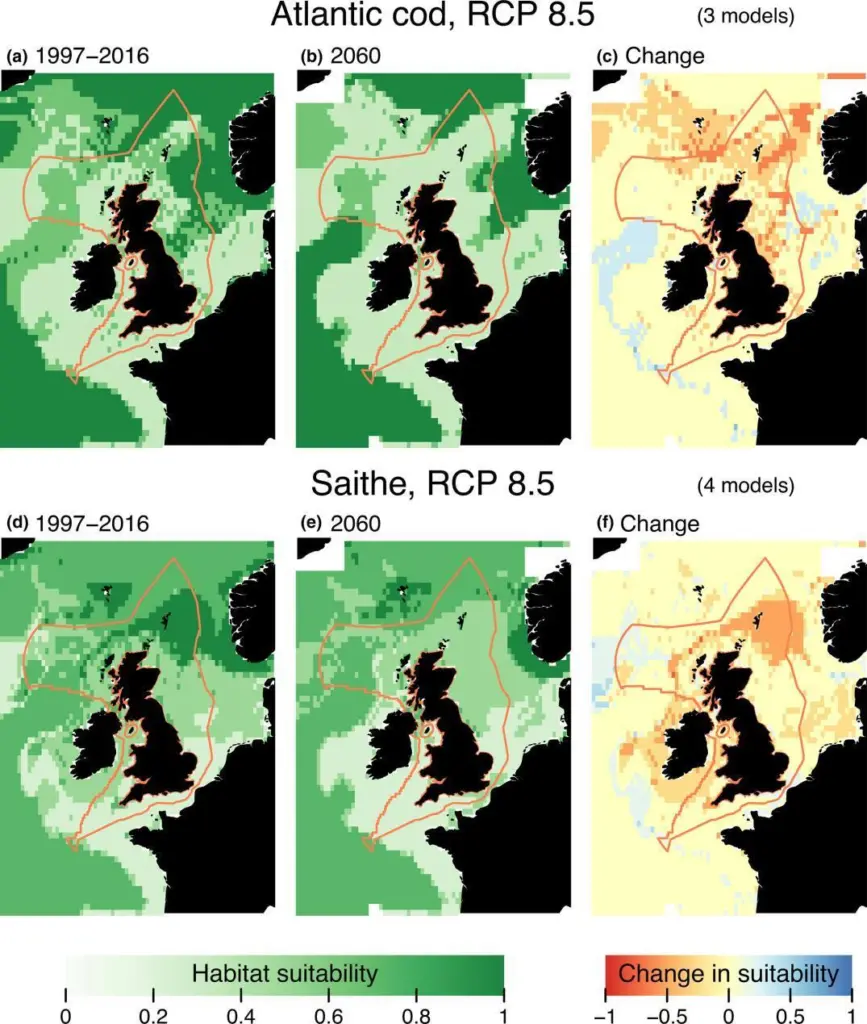
A new paper published by Cefas has looked at the projected impacts of climate change on the habitats of 49 fish species to help fisheries understand which are likely to be ‘winners’ and ‘losers’ of changing marine conditions.
“We have used high quality, locally-relevant climate data to provide a detailed understanding of future comings and goings of different species caught around the UK,” said John Pinnegar, lead advisor on climate change and director of the International Marine Climate Change Centre at Cefas.
“As UK consumers typically prefer to eat a very limited variety of fish, namely the ‘big five’ – cod, haddock, tuna, prawns and salmon, this report suggests that both consumers and the fishing industry may need to adapt quickly to reflect the changes we are seeing in our marine environment.”
Seas around the British Isles, the southern North Sea in particular, are deemed global ‘hotspots’, having warmed the fastest in the past 50 years.
The study found that northwestern European waters are likely to become more suitable for species such as black seabream, European seabass, sardine, red mullet, pouting, anchovy, sole and John Dory, but less suitable for species such as saithe, Atlantic wolffish, starry ray, halibut, ling, lemon sole, Atlantic cod, haddock and megrim.
The report will help policy makers and fishers identify where fisheries management may need to change to sustainably manage fish stocks.
Related Articles
 FISHERIES
 FISHERIES
 FISHERIES