



Scottish mackerel sector calls for quota dispute resolution
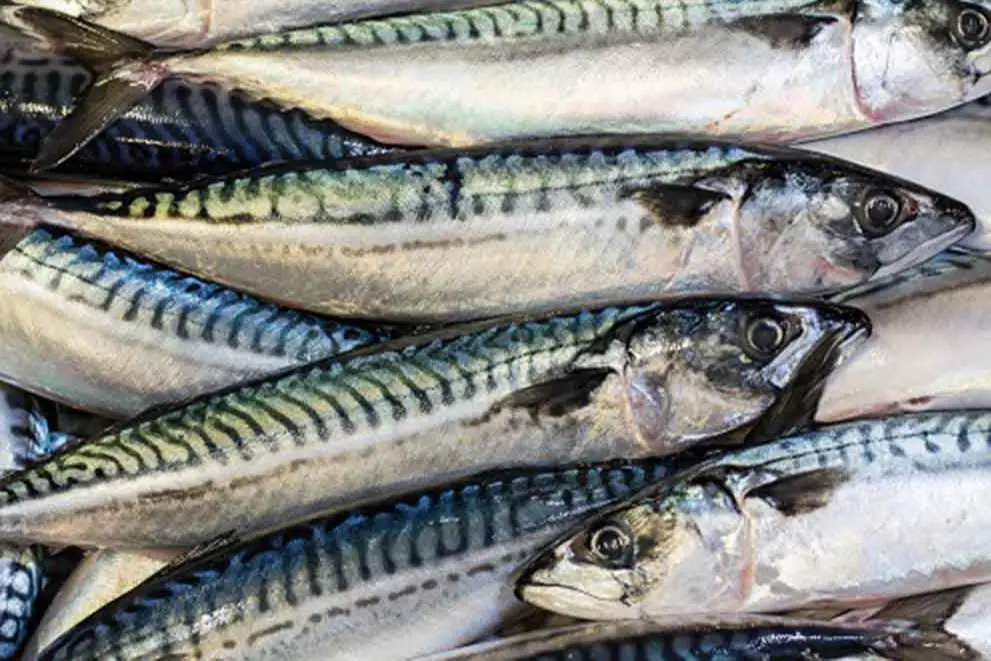
Following the recent setting of the total allowable catch (TAC) of North-east Atlantic mackerel for 2024, the Scottish mackerel sector is calling for renewed efforts to resolve the quota shares dispute.
The Scottish Pelagic Sustainability Group (SPSG) said that the UK has meticulously abided to its traditional share and not embarked upon unilateral increases in quota as carried out by other countries.
“There is no room for complacency and an agreement on quota shares is vital to ensure the long-term future of the stock,” said Ian Gatt, chairman of the Scottish Pelagic Sustainability Group (SPSG).
“The principles for a new sharing arrangement must be based on the best available science on stock distribution. Parties have the basis to agree this with the adoption of the updated Report of the 2023 Coastal States Working group on the distribution of mackerel in the North-east Atlantic.”
Under dispute
For mackerel, the coastal states agreed to set the TAC for 2024 at 739,386 tonnes. This TAC is in line with ICES advice, following the maximum sustainable yield approach and is 5% lower than the TAC agreed for 2023.
However, Mr Gatt said that in recent years, Iceland, Russia, Norway, Greenland and the Faroe Islands have all unilaterally increased their catch allowances without international agreement, putting pressure on the stock.
Among the concerns there is worry over ‘banking and borrowing’ practices among some of these states, where uncaught quota from one year is carried forward (above the agreed 10% threshold) to the following year. For example, the Faroe Islands carried forward 66,700 tonnes, 42% of their 2022 quota, to 2023.
There is also concern over the recent pelagic fleet expansion in the Faroe Islands as a result of its unilateral quota increases. Faroe has granted ten new pelagic licences, effectively doubling the fleet in the last decade.
Under the latest TAC resolution signed on 18 October, it was agreed among coastal states that they would intensify efforts to seek a solution to the impasse by early 2024, and discussed the need that for the interim period, quotas should be set at a level that does not prejudice the quota sharing discussions.
Related Articles
 FISHERIES
 FISHERIES
 FISHERIES