






Pelagic progress made
The 2022 Northeast Atlantic coastal states made headway in their pelagic fisheries negotiations for the first time in 10 years, with a commitment to continued discussions on quota sharing for mackerel and herring, according to a new position statement released by the North Atlantic Pelagic Advocacy Group (NAPA).
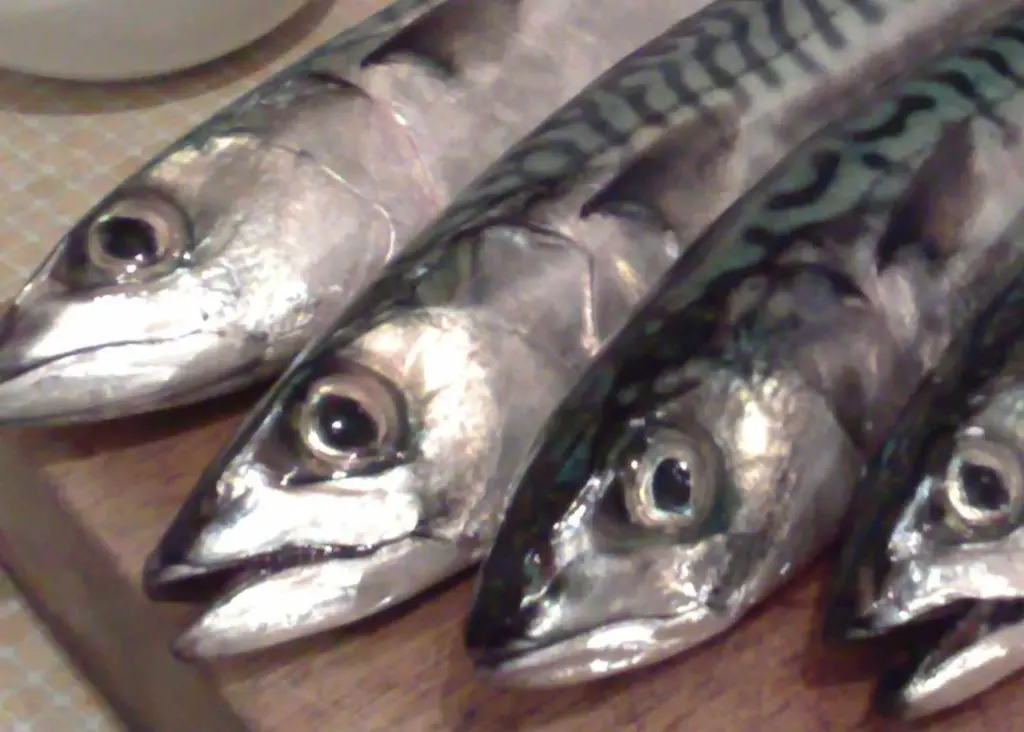
These coastal states have come under considerable fire from NAPA in recent years, with the retailer and supply chain businesscoalition criticising their inability to come to an accord on sustainable quotas for three of the region’s most lucrative pelagic stocks – Northeast Atlantic mackerel, Atlanto-Scandian herring and blue whiting.
With many retailers and supply-chain businesses sourcing from these stocks, the coalition of retailers and supply-chain companies maintains that resolving the governance surrounding these fisheries is critical.
Its position statement, which distils the key moments and outcomes from the 2022 negotiations on total allowable catches (TACs) for Northeast Atlantic pelagic stocks, determines that progress was made during last year’s quota-sharing discussions and that these have the potential to pave the way to a new agreement in the future.
NAPA highlights that the steps made included:
- Coastal states agreeing to set the 2023 TAC for mackerel in line with scientific advice
- States agreeing to initially set quotas for 2023 at levels which would set a positive tone and pave the way for reaching a firm agreement on fishing limits in 2023
- Parties developed a plan of action for continuing discussions on sharing in 2023, including the ambition to reach a final agreement on sharing quotas before 31 March
- If it is met, the deadline should enable a sharing agreement to be reached for 2023
For Atlanto-Scandian herring, the coastal states agreed to set the TAC in line with scientific advice. NAPA said they also expressed a genuine willingness to continue working towards a new, sustainable quota sharing arrangement for the imminent future, and agreed to continue discussions in January 2023.
“This year we have seen progress; the previous ‘rubber-stamping’ of pledges to adhere to ICES advice, followed by a lack of political will to agree on allocations resulting in TACs collectively exceeding said advice, was only seen with Atlanto-Scandian herring. That in itself was likely a consequence of the geopolitical situation in Ukraine. There were also more involved discussions on mackerel and blue whiting this year,” said Dr Tom Pickerell, NAPA Project Lead.
According to NAPA, the good news did not extend as far as blue whiting. High levels of recruitment into the fishery last year meant that stock numbers have boomed, and the scientific advice for the catch in 2023 was 81% higher than in 2022.
The coalition believes this would have been a golden opportunity for the coastal states to scale-back their allocations – adopting a more “precautionary” approach and opting for a sustainable TAC level, without cutting catches.
While this approach was supported by the UK, it was overruled, confirmed Pickerell.
“The UK position of restraint to ‘bank’ the unexpected boom in blue whiting must be recognised; it is unfortunate that other coastal states were not as ambitious. Finally, the setting of a deadline for a mackerel sharing agreement is very positive; NAPA will hold the coastal states to their timeline,” he said.
Related Articles
 FISHERIES
 FISHERIES
 FISHERIES