





Panama pelagics progress
Several years after the Panama small pelagics fishery was accepted onto the MarinTrust Improver Programme (IP), the fishmeal and fish oil production plants sourcing from it have also gained certification.
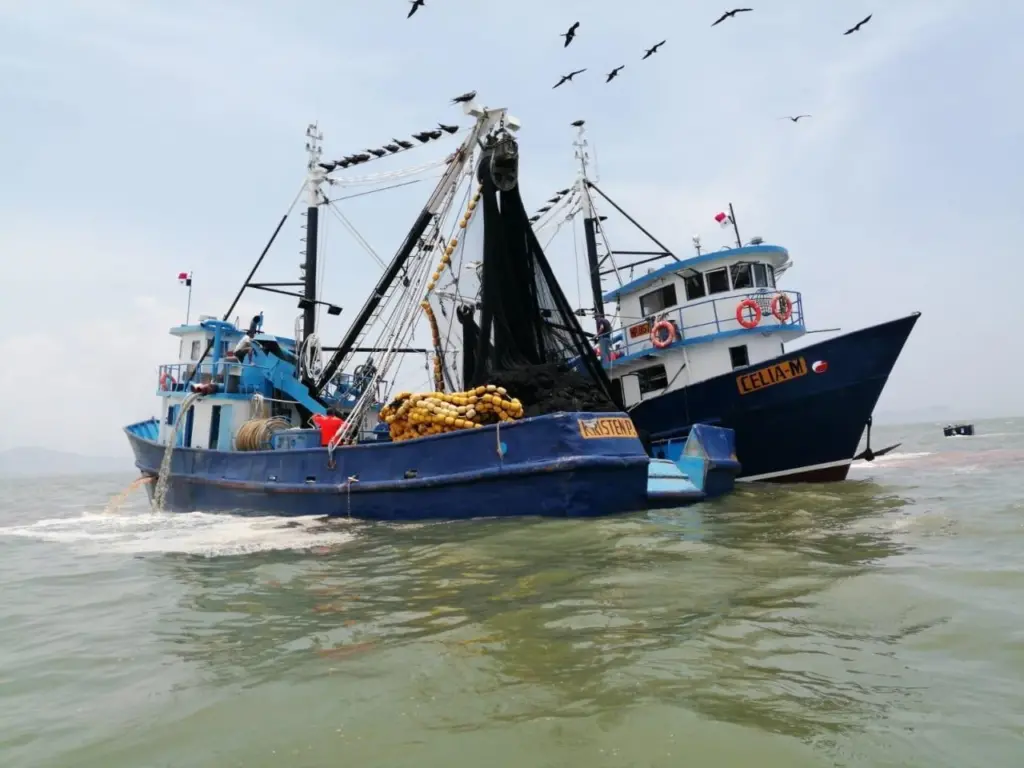
Some of the main improvements made in the fishery include a new management plan and the setting of Total Allowable Catches. An onboard observer programme was also initiated which enabled the collection of information on the size and maturity of the target species and the ecosystem impacts on endangered species.
“Back in the 2010s, the Panama small pelagics fishery was data poor, with inadequate records of effort or landings, and nothing known about its impacts on the ecosystem. The market had started demanding third party proof of sustainability, so something needed to be done,” said Ernesto Godelman, executive director of CeDePesca, the non-profit organisation which initiated the project.
Thorough process
The process leading to the certification being granted involves the fishery passing the full MarinTrust fishery assessment and the site passing a third-party audit by a certification body.
“This thorough process ensures not only that marine ingredients come from non-IUU fisheries that are managed in accordance with the FAO Code of Conduct for Responsible Fisheries but also that production is carried out to high standards of safety and quality, with sufficient care given to the environment, workforce, and local community,” said Nicola Clark, impacts manager at MarinTrust.
Animalfeeds has been involved in marketing Panamanian fishmeal and fish oil since 1965.
Brian Murtagh, managing director and also leader of the Fishery Improvement Project, said: “The fishery mainly targets Pacific anchovy and Pacific thread herring. Today, Europe buys the majority of the fish oil for use in the salmon feed industry, while China, North America and countries neighbouring Panama are the main market for fishmeal, which is used in swine, aquaculture and petfood diets.”
The Fishery Improvement Project (FIP) for the Panama small pelagics fishery was started in 2011 as an initiative of CeDePesca to help Latin American fisheries become sustainable, along with Promarina SA, the most important local producer. It is now run in conjunction with Procesadora Bayano SA (Probasa). It was the first FIP to be accepted onto the MarinTrust Improver Programme.
Related Articles
 FISHERIES
 FISHERIES
 FISHERIES