


NGOs hail Swedish trawling ban
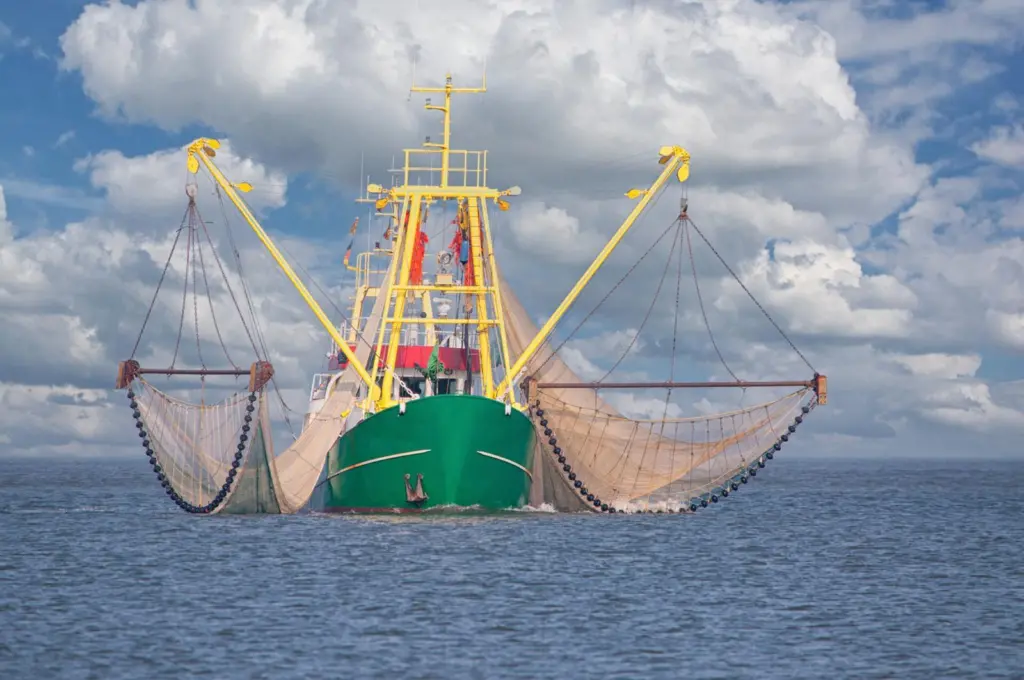
In a groundbreaking move for marine conservation, Sweden has taken the first steps towards a potential ban on bottom trawling in its marine protected areas (MPA), a decision that has been widely welcomed by environmental organizations across Europe.
NGOs including the Swedish Society for Nature Conservation, Seas At Risk, Oceana and ClientEarth have praised the proposal as a significant milestone in the fight to protect vulnerable marine ecosystems.
“Sweden’s proposed law which will pave the way for prohibiting bottom trawling in marine protected areas is incredibly timely as momentum is growing ahead of the UN Ocean Conference in June, where the EU will be expected to show action to match their claims of international ocean leadership,” commented Nicolas Fournier, campaign director at Oceana in Europe.
“This should also inspire the future EU Ocean Pact as conserving ocean biodiversity havens directly benefits the EU blue economy, particularly in protecting fishers’ livelihoods and supporting coastal communities.”
The NGOs have now called on the Swedish government to take additional measures to strengthen the proposal. Key recommendations include granting the Swedish Agency for Marine and Water Management a clear mandate to collaborate with the European Commission in establishing a comprehensive ban on bottom trawling within Sweden’s exclusive economic zone. They are also urging the government to avoid granting exemptions that could undermine the ban’s effectiveness.
Despite the EU’s Habitats Directive requiring the protection of MPAs, bottom trawling remains prevalent in many areas across the continent.
NGOs have filed lawsuits against several EU nations, including Germany, the Netherlands, France and Spain for their failure to enforce adequate protection in these crucial marine environments.