






NAPA urges action on blue whiting
The North Atlantic Pelagic Advocacy Group (NAPA) has stepped up efforts to combat the alleged mismanagement of North East Atlantic blue whiting stocks and lack of political action on sharing pelagic quotas.
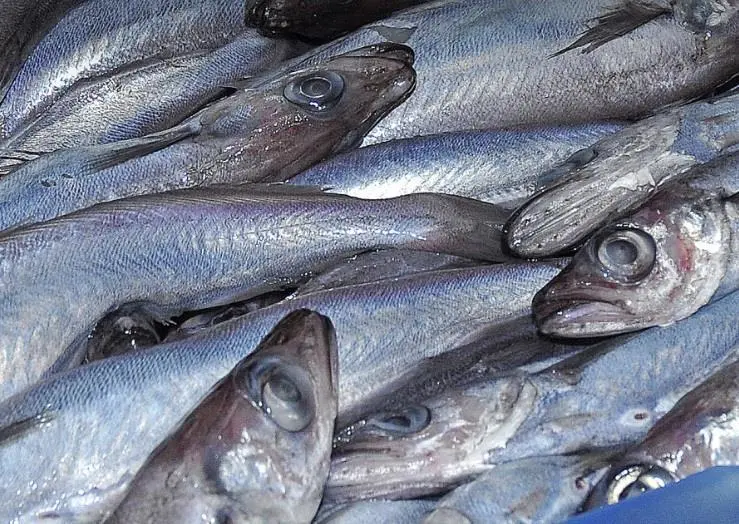
As discussions take place at the annual North Atlantic Seafood Forum in Bergen, Norway on 4-6 March, NAPA will highlight challenges which it says pose serious risks to both the economy of coastal states and the environment.
A key ingredient in fishmeal for farmed salmon, blue whiting is being critically overfished, says NAPA.
The blue whiting fishery has already seen its sustainability certifications suspended, prompting NAPA to launch a fishery improvement project in 2021. This initiative aims to restore the Marine Stewardship Council and MarinTrust certifications for blue whiting by breaking the political deadlock and encouraging cooperation among coastal states.
However, NAPA warns that without a long-term, sustainable sharing agreement on blue whiting, its members will be forced to reconsider sourcing from this fishery once the FIP expires in 2026.
“Certified products are the only way to evidence sustainable and responsible procurement to consumers,” said Aoife Martin, independent chair of NAPA.
“If fisheries cannot be certified sustainable as a result of political complacency, then many important actors will need to reconsider what they source and from where.
“This will have a direct economic impact, not only on fishers but also on salmon farmers around the coastal states.”
NAPA is also keen to dispel any complacency owing to recent stock advice for blue whiting which appears to show the fishery in robust health despite continued overfishing.
“Coastal states are simply not listening to the scientific guidance they claim to endorse,” said Martin.
“They are allowing the current healthy status of the blue whiting stock to distract them from the need for action. Far from being evidence that the fishery is not under pressure, the historical data – and everything we know about sustainable fishing practices – tells us that no stock can withstand overfishing indefinitely.”
Related Articles
 PROCESSING & REFRIGERATION
 FISHERIES
 FISHERIES