



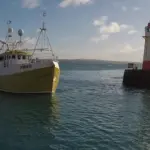


India explores climate change resilience
Rising sea surface temperatures are affecting fish distribution in Indian waters, according to the Indian Council of Agricultural Research.
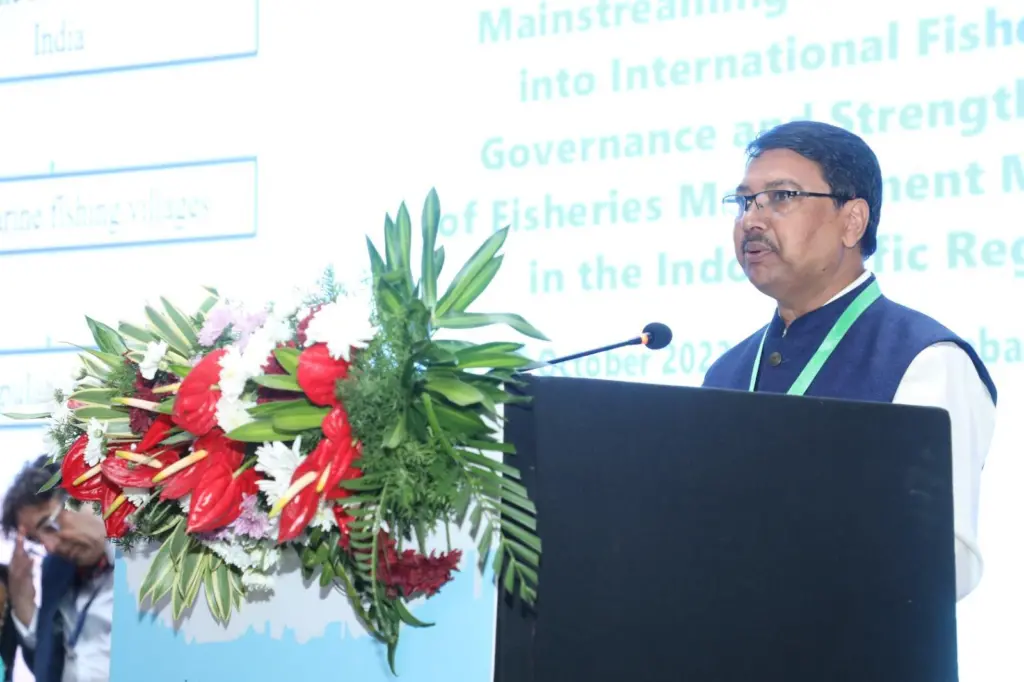
Speaking at climate change and fisheries governance conference held in Mahabalipuram, Deputy Director General of ICAR, Dr J K Jena said there was an extended distribution of commercially important species such as the Indian oil sardine and mackerel.
“These species are now found in regions where they were previously scarce, forming a local fishery which was hitherto unknown from those areas,” he said.
Not only are warming oceans affecting distribution but biological cycles are being distributed, with fish maturing prematurely and reduced reproductive rates.
Dr Jena said that the country was embarking on research to develop distribution models and projections. “This scientific initiative aims to comprehend long-term patterns and develop appropriate strategies to safeguard the future of Indian fisheries,” he said, adding that India was also developing a prototype to strengthen the value chain in the fisheries sector.
Dr Jena also pointed to a three-fold increase in harmful algal bloom events in the Indian Ocean and Bay of Bengal and said that the country was pursuing innovative solutions to reduce the impact of climate change such as renewable energy-powered fishing vessels and sea ranching of depleted species.
A separate workshop exclusively to discuss India’s preparedness for adapting to climate change in marine fisheries is also being hosted during the meeting.
Related Articles
 FISHERIES
 PROCESSING & REFRIGERATION
 FISHERIES