




Iceland’s December 2025 fish landings fall 13% year-on-year
Reduced catches across the demersal, pelagic, flatfish and shellfish categories saw the total volume of fish landed by Iceland’s fishing fleet in December 2025 fall by 13% year-on-year or more than 7,900 tonnes to 53,394 tonnes, according to preliminary figures for the month gathered by Statistics Iceland.
However, the new data also found the 12-month January 2025 to December 2025 catch increased 4% to 1,032,164 tonnes. This was largely thanks to an 8% upturn in the pelagic volume.
With regards to December’s total, the demersal catch decreased by 13% compared with the year previously to 25,242 tonnes, with cod, haddock, saithe and redfish catches falling 6%, 18%, 4% and 32%, respectively, to 15,400 tonnes, 4,417 tonnes, 2,383 tonnes and 1,733 tonnes.
At the same time, Iceland’s flatfish volume slipped 30% to 952 tonnes, and its shellfish catch fell 33% to just 72 tonnes.
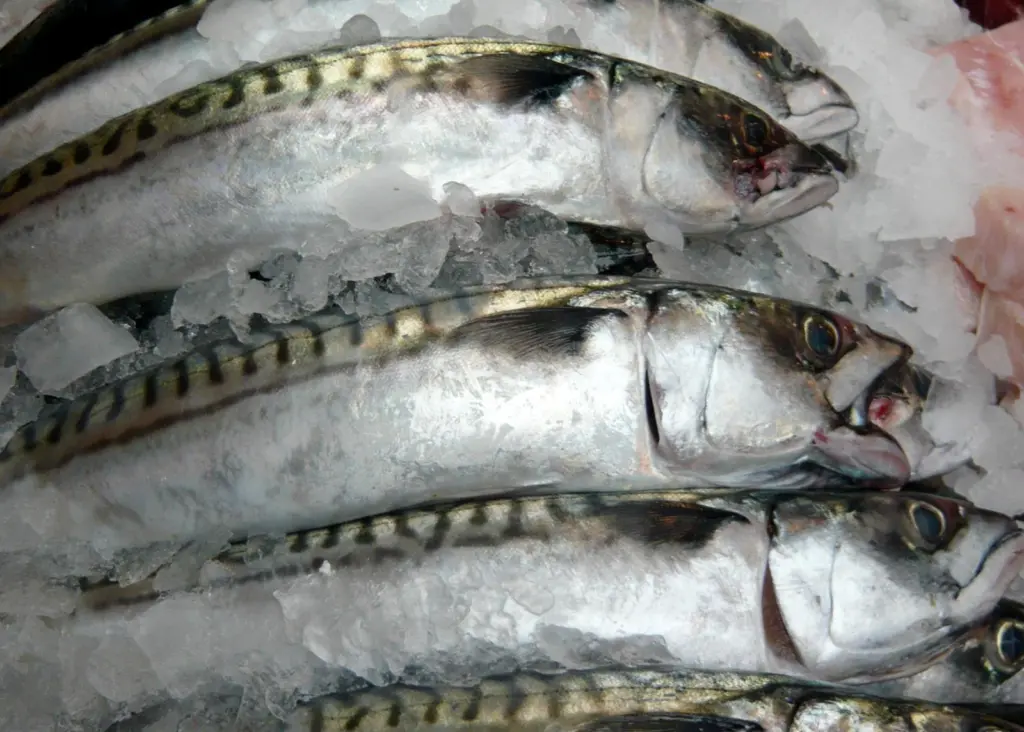
The total pelagic volume decreased 12% to 27,128 tonnes. Of this, the herring catch was down 10% year-on-year to 12,449 tonnes, blue whiting total fell 14% to 14,679 tonnes. No mackerel or capelin landings were recorded for the month.
Meanwhile, the full-year 2025 data confirmed a pelagic catch of 591,124 tonnes, with herring and mackerel up 29% and 45%, respectively, to 173,948 tonnes and 129,621 tonnes. The blue whiting volume fell 12% to 282,787 tonnes.
Demersal landings fell 1% to 416,937 tonnes, with cod and haddock both down 2% to 216,682 tonnes and 82,581 tonnes, respectively. The saithe volume increased 1% to 38,999 tonnes and there was a 2% life in redfish to 41,824 tonnes.
The 2025 totals for the flatfish and shellfish fisheries amounted to 20,242 tonnes (-17%) and 3,724 tonnes (+1%), respectively.
Related Articles
 PROCESSING & REFRIGERATION
 FISHERIES
 FISHERIES