




Icelands 22 catch soars
The total volume of fish and shellfish landed by Iceland’s fishing fleet increased by 22% or almost 260,000 tonnes last year, reaching a total 1,417,756 tonnes.
According to preliminary figures for 2022 gathered by the country’s Directorate of Fisheries, there was a substantial increase in the volume of pelagic fish, while demersal, flatfish and shellfish landings all shrank.
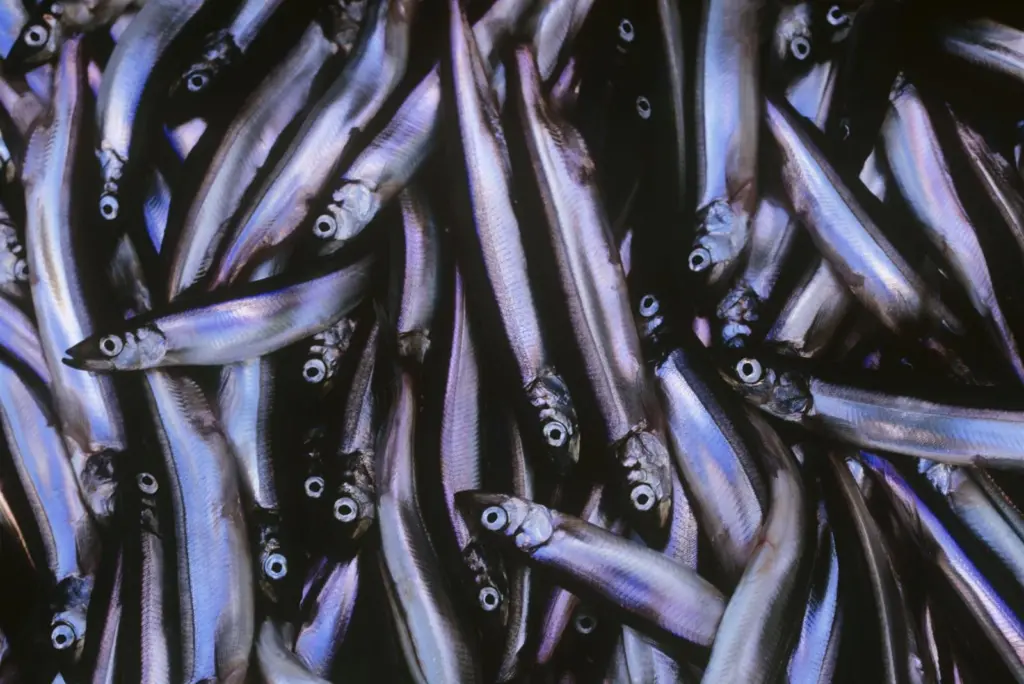
Last year’s total pelagic volume soared by 46% to 955,749 tonnes. While the mackerel and herring catches decreased by 2% and 1% respectively to 129,679 tonnes and 184,323 tonnes, and blue whiting climbed 1% to 191,813 tonnes, the capelin volume soared by 207% to 449,933 tonnes.
Within the demersal category, which amounted to 434,270 tonnes – an 8% drop on 2021 – cod landings decreased by 10% to 243,572 tonnes, and the redfish catch slipped 21% to 39,709 tonnes. However, the volumes of haddock (57,095 tonnes), and saithe (62,051 tonnes) were up by 1% and 4% respectively.
Iceland’s flatfish catch declined 13% to 21,502 tonnes, while its shellfish landings slipped 3% to 6,141 tonnes.
The Directorate of Fisheries’ data also found that the December 2022 catch totaled just 48,264 tonnes, which was 62% less than in the final month of 2021. There were decreases in the month’s demersal (-18% to 27,866 tonnes) and pelagic (-79% to 4,305 tonnes) species categories, while the flatfish and shellfish landings grew by 25% and 72% respectively to 1,394 tonnes and 174 tonnes.
Related Articles
 PROCESSING & REFRIGERATION
 FISHERIES
 FISHERIES