





Icelandic catch falls
A much lower pelagic catch led the Icelandic fishing fleet to land 70,628 tonnes of wild-capture fish and shellfish last month, down 27% from November 2021’s 96,641 tonnes.
According to preliminary data from the country’s Directorate of Fisheries, November’s pelagic catch was down 48% year-on-year to 29,136 tonnes, with herring (28,838 tonnes) accounting for almost the entire volume. Just 298 tonnes of blue whiting were caught, while no capelin or mackerel were harvested.
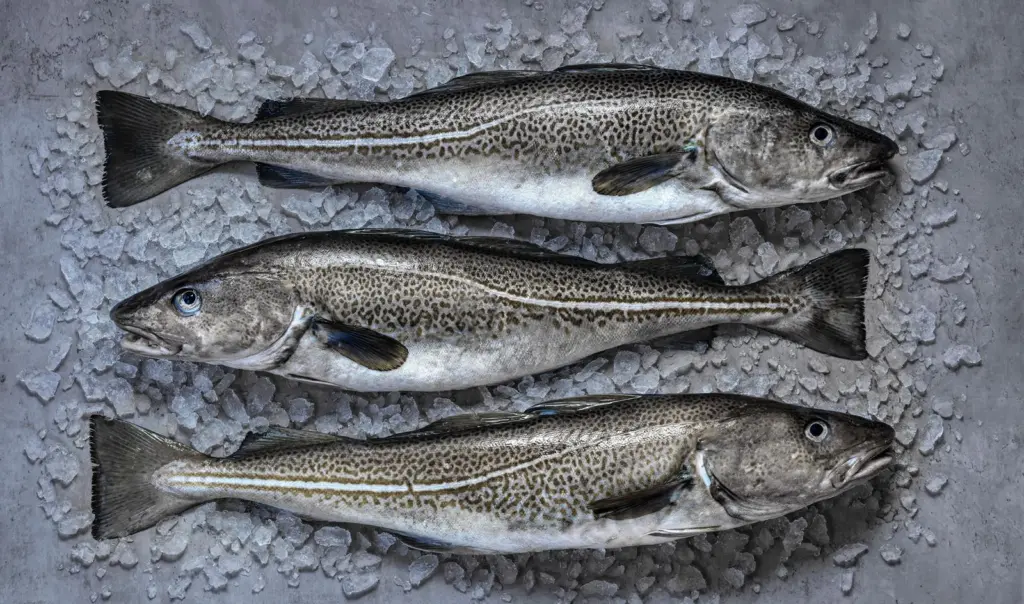
In the demersal sector, landings totalled 39,474 tonnes, which was 2% more than in November 2021. Icelandic cod catches climbed 3% to 22,401 tonnes, while the haddock volume increased 36% to 7,433 tonnes. The saithe and redfish volumes fell to 4,355 tonnes and 2,970 tonnes respectively.
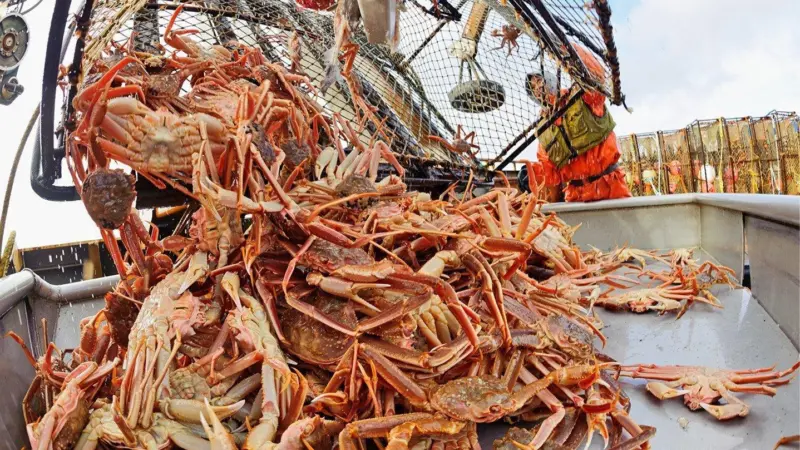
There was a 28% increase in Iceland’s flatfish catch to 1,720 tonnes, while shellfish landings rose 29% to 298 tonnes.
The authority also calculated the overall December 2021 through November 2022 catch at almost 1.5 million tonnes, a rise of 35% year-on-year. This increase included a 70% increase in the pelagic category, with the total capelin volume up 637% to 521,444 tonnes.
Iceland’s total herring catch for the 12-month period was unchanged at 181,119 tonnes, while the blue whiting and mackerel volumes fell 11% and 2% respectively to 195,965 tonnes and 129,684 tonnes.
The demersal catch amounted to 440,502 tonnes, down 6%, with 8% less cod (247,825 tonnes), 1% less haddock (56,618 tonnes) and 20% less redfish (40,828 tonnes). Bucking the declining trend, the saithe catch increased 9% to 63,529 tonnes.
At 21,220 tonnes, the flatfish catch fell 14%, while Iceland’s shellfish catch decreased 4% to 6,068 tonnes.
Related Articles
 FISHERIES
 FISHERIES
 FISHERIES