





Fishers sue Bumble Bee over alleged abuse
A group of fishers has filed a groundbreaking lawsuit in San Diego, California, against Bumble Bee Foods, alleging they were victims of human trafficking and forced labour while catching tuna sold by the company in the US.
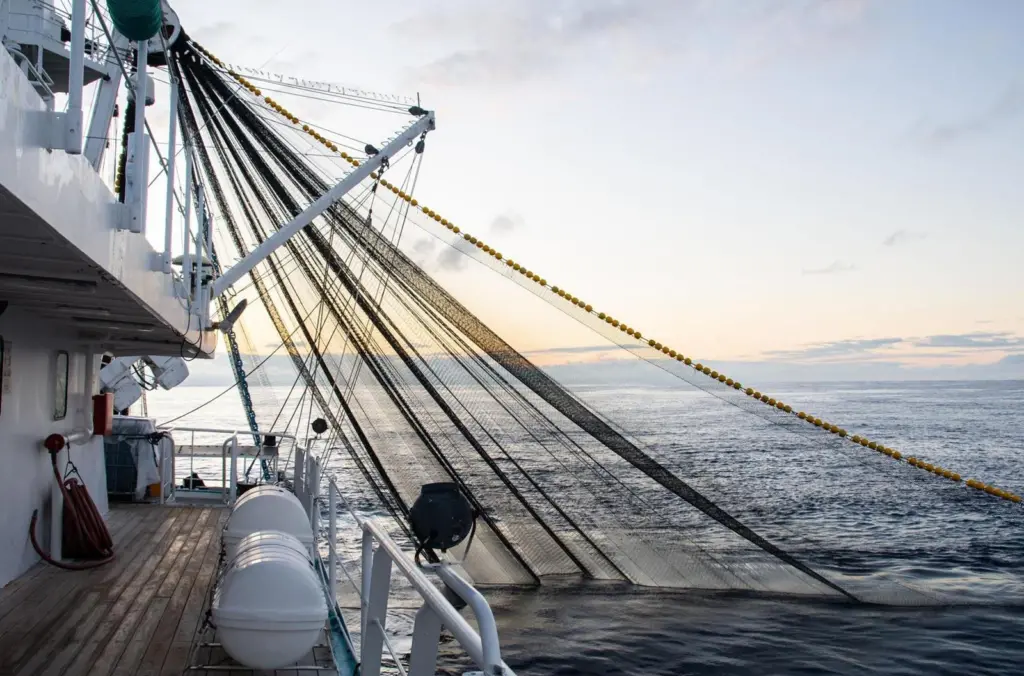
The suit, filed on 12 March 2025 under the Trafficking Victims Protection Reauthorization Act (TVPRA), claims the fishers were subjected to horrific abuse and exploitation on fishing vessels.
Akhmad, one of the plaintiffs, shared an account of his experience. “When we were injured, we did not receive any medical treatment,” he said.
“One time, the rope holding the weighing gear broke and dropped a load of fish on me, cutting my leg open from thigh to shin. I was ordered to keep working. I thought there was water filling my boot, but I realised it was my own blood. I could see the bone in my leg.
“I was left to clean and bandage my leg myself, without sterile medical supplies, and I kept bleeding for two weeks. It still hurts and probably always will.”
The lawsuit alleges that Bumble Bee Foods knew or should have known about the conditions the fishers endured.
Violence, abuse and threats
The plaintiffs describe physical violence, emotional abuse, untreated injuries, debt bondage, excessive working hours and threats to workers’ families to prevent them from escaping.
“These men were looking for good jobs so they could provide for their families and build a future,” said Agnieszka Fryszman, a partner at Cohen Milstein, which is representing the complainants.
“Instead, they allege, they were trapped – isolated at sea, beaten with metal hooks, not getting enough food, working around the clock – and facing financial penalties if they tried to leave.”
Sari Heidenreich, senior human rights advisor at Greenpeace USA, spoke on the difficulty of challenging major corporations like Bumble Bee. “It is never easy for individuals to go up against large, well-resourced, and influential corporations like Bumble Bee, but these men are,” she said.
“In their lawsuit, they share details of their painful and traumatic experiences in order to pursue justice. In doing so, they expose a broken system where thousands of other workers in the industrial fishing sector are trapped in conditions of human trafficking and forced labour.”
The International Labour Organisation has estimated that over 128,000 fishers worldwide are victims of forced labour, with illegal and unregulated fishing contributing to the cycle of abuse.
Greenpeace has called for systemic change in the seafood industry, urging improved conditions for workers, including secure communication access for fishers, capping time at sea and independent observer coverage.
Related Articles
 FISHERIES
 FISHERIES
 FISHERIES