



Europêche has expressed concern about the catch limits for 2022 for the ten main commercial stocks in the Baltic Sea, arguing that it is becoming economically unviable for some fisheries to keep working.
Following a decision by EU fisheries ministers, the total allowable catch for Western herring has been reduced by half and now only allows by-catch whilst the TAC for Western cod has been slashed by 88%, again by-catch only.
Europêche maintains that low stock levels in the region are a result of environmental factors and not overfishing. “After a significant fleet capacity reduction in all Baltic states and a fishery in line with scientific advice, it is really strange to blame overfishing as the main driver for the present situation,” said Peter Breckling of the Deutscher Fischerei Verband, the German Fisheries Association.
Instead poor oxygen conditions, migration of prey and parasitic infections caused by an uncontrolled seal population is to blame, argues Mr Breckling. “So there must be other reasons for reducing the productivity of the ecosystem at the moment which should be addressed, yet fishermen always pay the price,” he said.
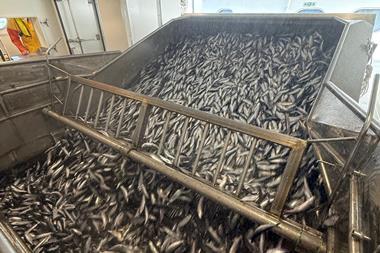
On a more positive note, the Council has agreed to increase fishing opportunities for plaice, sprat, Bothnian herring and Gulf of Finland salmon. “More selective trawl gears are available which can certainly mitigate the impact on other species such as cod or herring,” said Mr Breckling. “Plaice and sprat are now vital for the survivability of our fishing companies.”