



The total volume of fish and shellfish landed by Iceland’s fishing fleet increased by 75% or almost 110,000 tonnes in March 2023, with a total 254,976 tonnes, according to preliminary figures for the month gathered by the country’s Directorate of Fisheries.
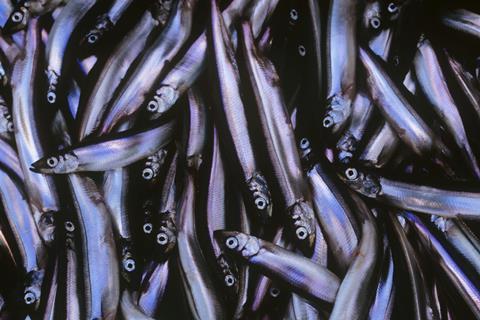
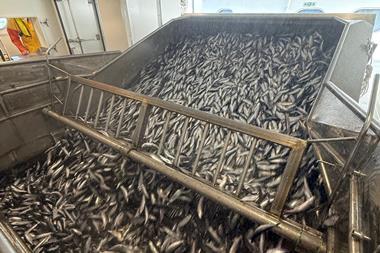
This increase was mainly attributed to a huge capelin catch of 208,569 tonnes, versus 95,130 tonnes in March 2022.
Last month’s total pelagic volume soared by 119% year-on-year to 208,570 tonnes. Aside from the capelin, just 1 tonne of blue whiting was caught, while no mackerel or herring catches were recorded for the month.
The demersal catch slipped 11% to 42,844 tonnes, with the cod volume decreasing 18% to 24,264 tonnes and saithe down 28% to 5,071 tonnes. The haddock catch climbed 19% to 6,560 tonnes.
Meanwhile, Iceland’s flatfish catch increased by 91% to 3,094 tonnes, and its shellfish landings shrank 8% to 468 tonnes.
The Directorate of Fisheries’ data also determined that the April 2022 to March 2023 catch totalled 1,369,600 tonnes, which was 8% less than in the previous 12-month period. There were decreases in the month’s demersal (-4% to 430,436 tonnes), pelagic (-10% to 909,160 tonnes), and shellfish (-1% to 6,293 tonnes) species categories, while total flatfish landings grew by 3% to 23,617 tonnes.