


Cermaq to cut emissions by 35%
Cermaq aims to cut 35% its total greenhouse gas emissions by 2030.
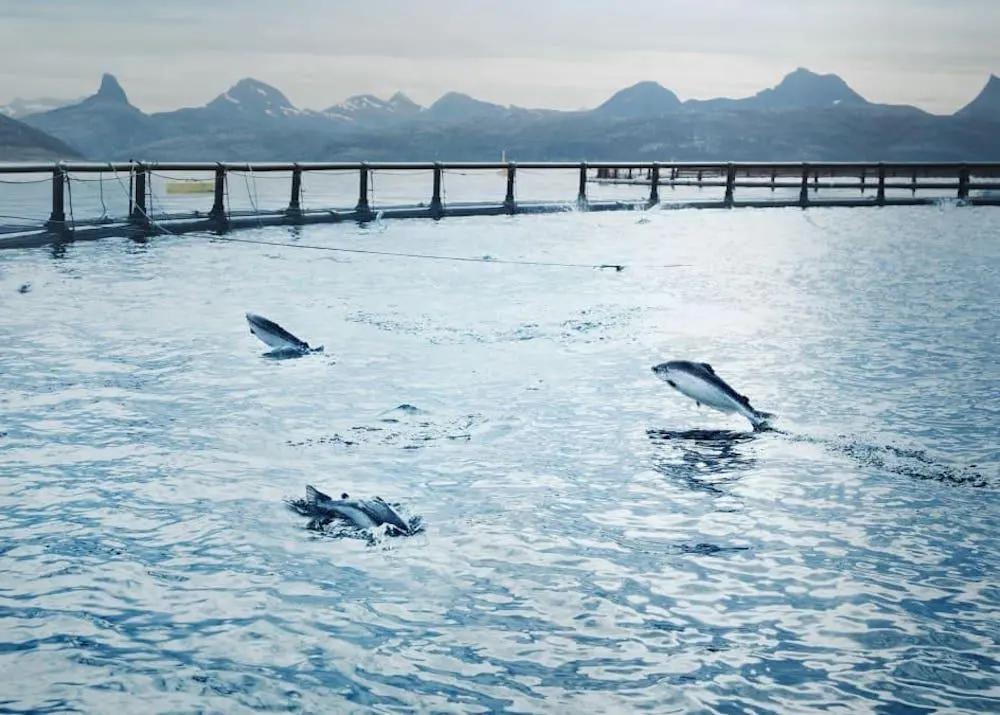
The salmon producer will focus on more electric boats and facilities, renewable energy, climate-friendly transport and feed.
“Farmed salmon is a climate-friendly food source and with our new measures, we will make Cermaq salmon even more sustainable,” said Geir Molvik, CEO of Cermaq. “Our promise, “Seafood for a healthy future” provides reduced greenhouse gas emissions, less environmental impact and a positive contribution to societies in which we operate.”
How will the goal be achieved?
Cermaq’s 35% by 2030 emissions target will use 2019 as a base year.
Feed and transport key areas of improvement. “Cooperating with suppliers and partners is necessary to improve the climate footprint of feed and transport options,” said Molvik. “This also requires innovation from our side in products and processing. That’s why we engage in international partnerships to improve climate work in aquaculture both globally and locally.”
Cermaq is also targeting electrification and energy efficiency. “A simple, but important measure will be to reduce diesel use at facilities and move towards electrical and hybrid solutions. At the same time, energy efficiency measures will make solid contributions to our operations in Canada, Chile and Norway,” added Molvik.
Cermaq’s climate target is based on the Science Based Targets initiative’s new framework. Climate goals and measures are based on the latest climate science and what is required to remain below the Paris Agreement aim of keeping global warming below 2 degrees Celsius. The goals are verified by certified third parties and only contain measures with real climate impact. Cermaq will becomes one of five aquaculture companies globally that use science-based climate targeting (SBT).
Related Articles
 AQUACULTURE
 AQUACULTURE
 AQUACULTURE