


ASC issues revised salmon and trout standards
Following a multi-stakeholder review, the Aquaculture Stewardship Council (ASC) Salmon Standard and Freshwater Trout Standard have been updated.
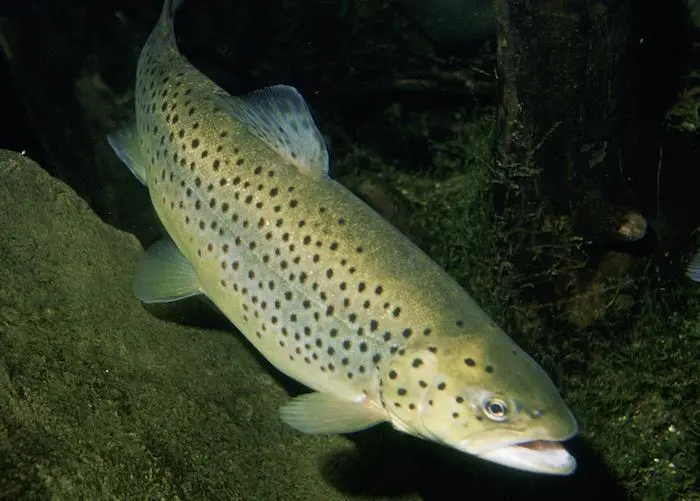
The revision will resolve inconsistencies between the two, meaning all freshwater salmonid farming will now be audited against the Freshwater Trout Standard which is specifically designed to minimise freshwater impacts. The change also means that ASC certified salmon farms will be able to use smolt from freshwater cage culture, provided production meets the requirements of the Freshwater Trout Standard.
“The revision will allow more salmon producers to embrace responsible production by meeting the stringent requirements of the ASC standards, including on-site audits for fresh water smolt production and indicators that will protect the local areas where the smolts are produced by setting production levels that aid conservation, prevent escapes, and protect water quality,” said Chris Ninnes, chief executive of ASC.
The new provisions will reduce the impact of freshwater smolt production for those places eligible for certification but does not allow smolt production in lakes where salmon is not a native species, nor allow production to exceed a lake’s carrying capacity.
The Salmon Standard’s Parasitic Treatment Index which governs chemical treatments has been revised and now include a global target that farms must work towards by reducing treatments together with regional targets for initial certification.
The new guidelines also reflect research into sea lice treatments and farms will now have to meet a weighted number of medicinal treatments which are, again, both global and region-specific.
Related Articles
 SEAFOOD
 AQUACULTURE
 SEAFOOD