


NOAA has filed a final rule implementing the nation’s first comprehensive regulatory program for aquaculture in federal waters.
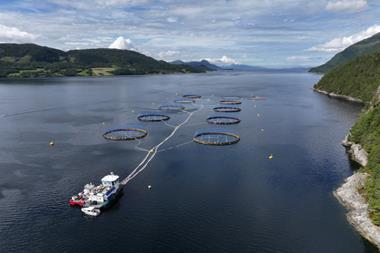
The groundbreaking rule creates a coordinated permitting system for the Gulf of Mexico, opening the door for the region to expand seafood production and create new jobs in an environmentally sustainable manner.
“As demand for seafood continues to rise, aquaculture presents a tremendous opportunity not only to meet this demand, but also to increase opportunities for the seafood industry and job creation,” said Kathryn Sullivan, Ph.D., NOAA administrator. “Expanding US aquaculture in federal waters complements wild harvest fisheries and supports our efforts to maintain sustainable fisheries and resilient oceans.”
In the US, federal waters begin where state jurisdiction ends and extend out to 200 miles offshore. In this case, federal waters begin three nautical miles off Louisiana, Mississippi, and Alabama and nine nautical miles off Texas and the west coast of Florida.
“While this framework is the first of its kind in federal waters, the states already support many successful and thriving aquaculture operations in their waters,” said Eileen Sobeck, assistant NOAA administrator for fisheries. “Allowing this type of seafood production will not only reduce US dependency on imports, but also provide a domestic source of sustainable fish protein and create jobs.”
The new rule authorises NOAA Fisheries to issue permits to grow species such as red drum, cobia, and almaco jack in federal waters in the Gulf for an initial period of 10 years. The rule took into account thousands of public comments.
The permit process includes comprehensive safeguards to ensure healthy oceans and coasts and considers other uses of ocean space, such as fishing. The rule implements environmental safeguards, including a baseline survey, monitoring, and reporting requirements. In addition to a NOAA permit, farming fish in federal waters also requires permits from the U.S. Environmental Protection Agency and the U.S. Army Corps of Engineers. NOAA Fisheries is working with these agencies to set up a coordinated permitting process for the Gulf.