





Yellowfin tuna stocks in the Indian Ocean are in decline and over one third of tuna is overfished, according to the International Seafood Sustainability Foundation (ISSF).
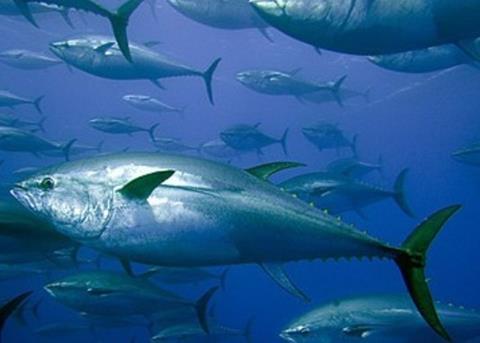
In its annual ‘Status of the Stocks’ report which collates data from each of the Regional Fisheries Management Organisation on tuna stock and health, the ISSF warns that the Indian Ocean yellowfin is estimated to be overfished.
Catches of yellowfin tuna have declined by 19% from a record high of 530,000 tonnes in 2004 but seem to be increasing again, particularly in purse seine and other fisheries.
The ISSF report summarises the results of the most recent scientific assessments of the 23 stocks of major commercial tuna species together with the current management measures adopted by the RFMOs. The report ranks the status and management of these stocks using a consistent methodology across three factors – abundance, exploitation/management and environmental impact.
In 2014, the tuna catch was 5m tonnes, a 4% increase on 2013. The majority was skipjack tuna (57%), whilst yellowfin accounts for 27%, the second most common catch. Purse seining is the most common fishing method (64%).
Globally, 48% of the stocks are at a healthy level of abundance, 39% are overfished and 13% are at an intermediate level. In terms of exploitation, nearly half (48%) are experiencing a low fishing mortality rate and 17% need stronger management to end overfishing.
Whilst 78% of total catch comes from healthy stocks this is because all skipjack stocks, which contribute more than half the global catch, are in a healthy situation. In contrast, most bluefin stocks and one third of albacore stocks are overfished. In terms of fishing mortality, 13% of the total tuna catch comes from stocks where fishing is not well managed.
The report can be found on the ISSF website.