






WWF tags more tuna
WWF’s On the Med tuna trail bluefin tuna tagging project resumed activity this week in the waters near Barbate off southern Spain.
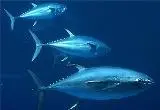
Through this three-year project WWF scientists are mapping tuna migrations around the basin, seeking answers to key mysteries on the migratory behaviour of this most valuable but also most imperilled fish.
WWF has been tagging tuna this week with fishermen from Spain’s traditional tuna trap, the almadraba. This method for fishing bluefin tuna has existed around the Mediterranean for over 3,000 years and is intrinsically sustainable given the low vulnerability of tuna stocks to the trap. The fishery supports the livelihoods of hundreds of families but is in jeopardy – the fishermen have seen a drop in catches of over 80% during the past two decades, given the exponential growth in industrial tuna fishing.
“While there are still tunas to tag, WWF hopes to shed light on the migrations of this incredible species,” said Dr Pablo Cermeño, WWF Mediterranean’s Tuna Officer. “Relatively little is known about the behaviour of Mediterranean tuna, yet it is repeatedly subject to rampant overfishing.”
WWF’s tagging project is collecting information such as position and depth of the high-speed fish by fitting adult tunas (over 35kg) with ‘pop-up’ tags that are released from the fish at a specified time and float to the surface for the data to be read by satellite. Lifecycle information will also come from juvenile tuna tagged with ‘archival’ tags and recovered at point of catch.
Related Articles
 FISHERIES
 FISHERIES
 WORLD FISHING EVENTS