




WWF calls for satellite technology surveillance
WWF says that its new pilot project shows that the use of satellite technology in the surveillance of fishing activities can increase safety on fishing vessels and promote legal and transparent fishing operations.
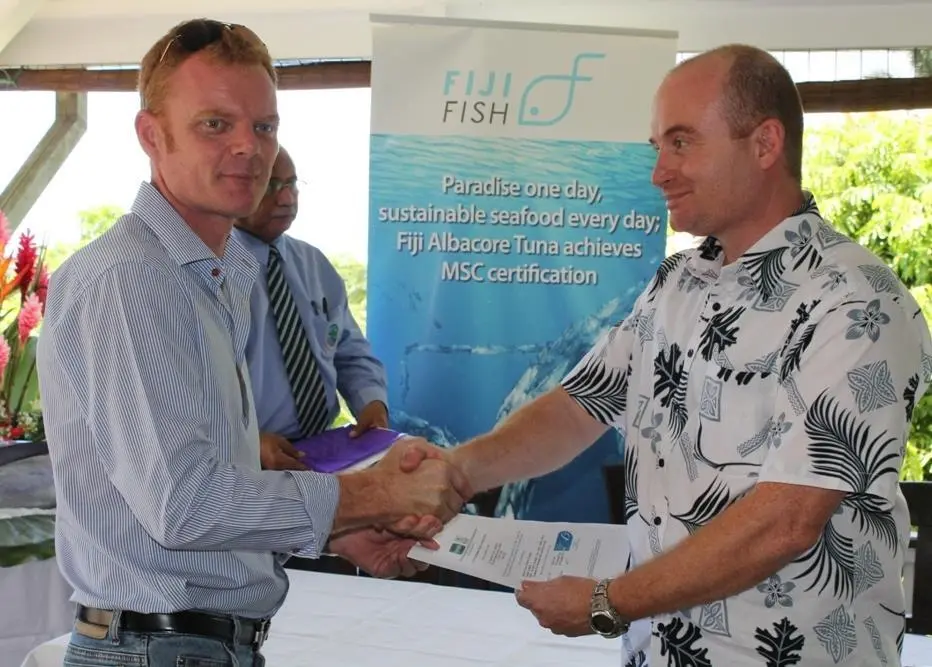
Sea Quest, a fishing company in Fiji in the South Pacific, agreed to install Automatic Identification System (AIS) transmitters on its tuna fishing vessels to demonstrate full transparency of the company’s fishing operations.
Six AIS transmitters have been activated round-the-clock, since June 2013, on the company’s longline albacore tuna fishing vessels. The AIS constantly sends signals from the vessels where it has been installed to the WWF database to monitor and evaluate fishing and vessel operations on the water. WWF can retrace the routes and activities of Sea Quest’s fishing vessels and ensure that boundaries of sensitive areas and no take zones are respected.
“Our cooperation shows that this MSC certified tuna fishery is willing to make their fishing operations fully transparent.” said Alfred Schumm, WWF’s Smart Fishing Initiative Leader. “I hope that the Sea Quest project will become a global example of how to make fishing transparent, and that it will trigger other companies to join us aboard.”
WWF is calling for governments over the world to make AIS installation mandatory for every commercial fishing vessel to increase safety and transparency.
Related Articles
 FISHERIES
 FISHERIES
 WORLD FISHING EVENTS