




WWF calls for better fishery management
A new report released by the WWF and TRAFFIC highlights the need for better management of shark fisheries in the Coral Triangle, in a bid to help protect the decreasing populations of the threatened species.
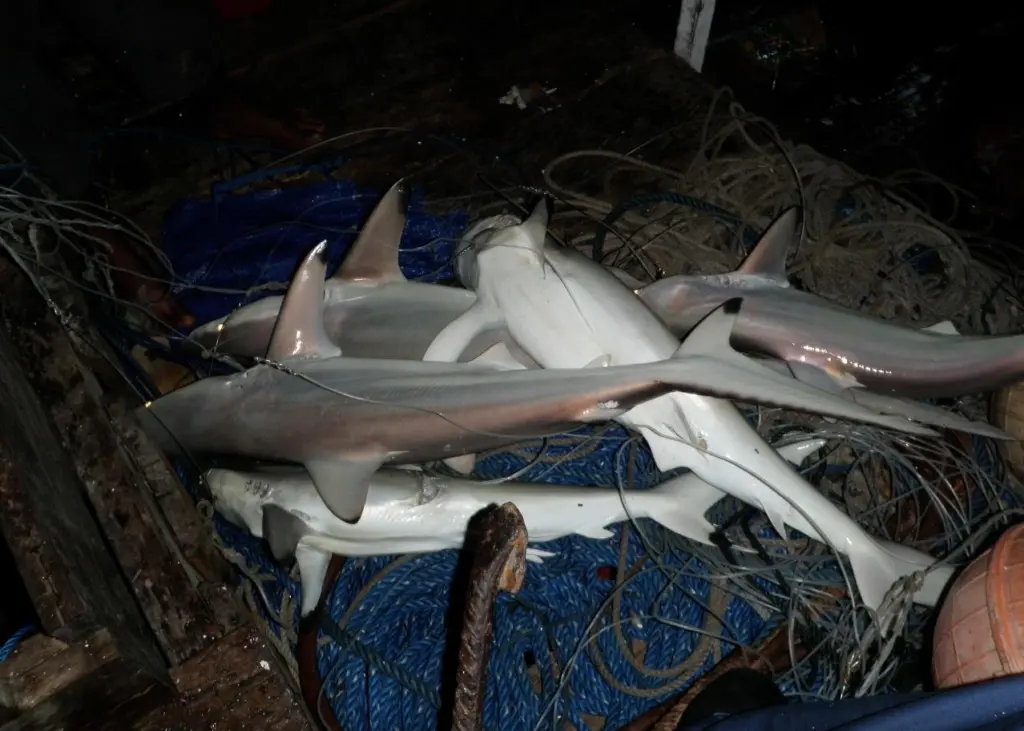
The report, An Overview of Shark Utilisation in the Coral Triangle Region, analyses the catch, trade and management of sharks and encourages local and regional management organisations to look at the factors needed for responsible shark utilisation.
Andy Cornish, conservation director, WWF Hong Kong, said: “The introduction of a comprehensive package of shark management measures must be a priority. Shark sanctuaries are an important component of this package as they provide an immediate and precautionary supplement to other management measures and, in particular, can provide much needed refuge and protected nursery areas for sharks.”
Despite global concerns, shark populations continue to dwindle in the waters of the six Coral Triangle countries – Indonesia, Malaysia, Papua New Guinea, the Philippines, the Solomon Islands and Timor Leste – due to a lack of available data, absence of management measures and a lack of specie identification in catch and trade reports, according to the findings of the report.
Glenn Sant, global marine programme leader, TRAFFIC, said: “Responsible utilisation of shark resources requires responsible management, trade, and consumption. Each of these elements requires adequate governance and monitoring to provide confidence that traded shark products are from sustainable sources.”
Related Articles
 FISHERIES
 FISHERIES
 WORLD FISHING EVENTS