





World’s largest fully protected marine reserve created
Action by the British government to create the worlds largest fully protected marine reserve around the Pitcairn Islands, an overseas territory in the South Pacific Ocean, has been praised by The Pew Charitable Trusts and the National Geographic Society.
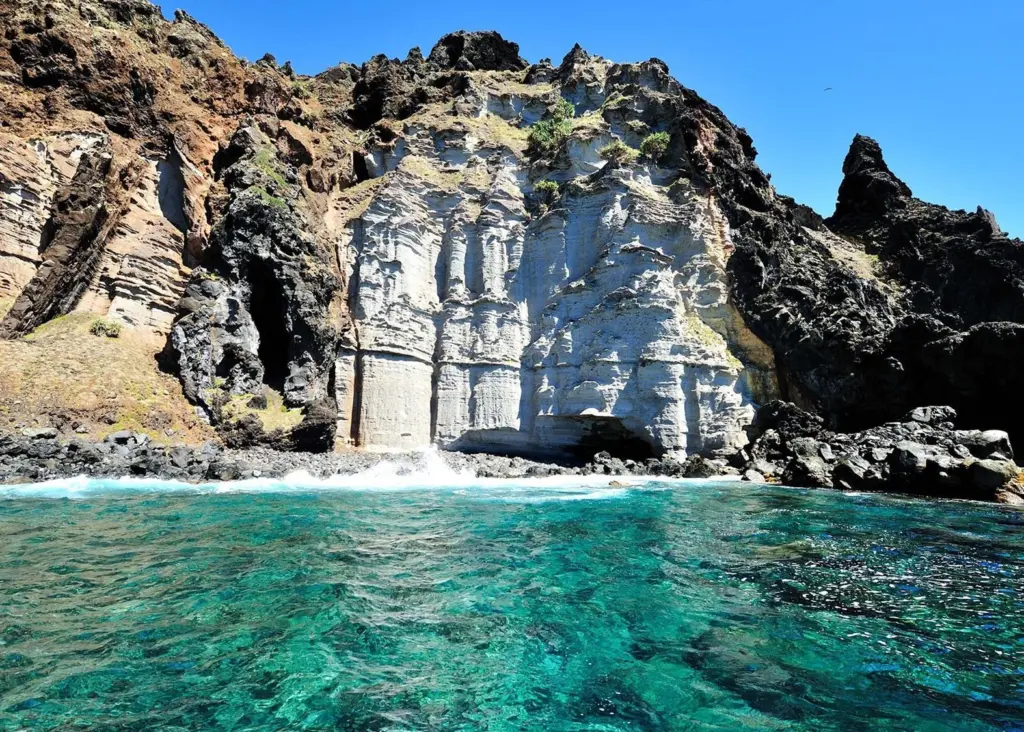
The 834,334km2 reserve (322,138m2) is home to at least 1,249 species of marine mammals, seabirds and fish. In 2013, Pewand National Geographic joined the local elected body, the Pitcairn Island Council, in submitting a proposal calling for creation of a marine reserve to protect these spectacular waters.
“With this designation, the United Kingdom raises the bar for protection of our ocean and sets a new standard for others to follow,” said Matt Rand, director of Global Ocean Legacy, a project of Pew and its partners that advocates for establishment of the world’s great marine parks. “The United Kingdom is the caretaker of more than six million square kilometres of ocean — the fifth-largest marine area of any country. Through this designation, British citizens are playing a vital role in ensuring the health of our seas.”
A March 2012 scientific survey of Pitcairn’s marine environment, led by the National Geographic Pristine Seas project in partnership with Pew, revealed a vibrant ecosystem that includes the world’s deepest known living plant, a species of encrusting coralline algae found 382m (1,253 feet) below sea level. The reserve also protects one of the two remaining raised coral atolls on the planet as well as 40-Mile Reef, the deepest and most well-developed coral reef known in the world.
In conjunction with the designation, the Bertarelli Foundation announced a five-year commitment to support the monitoring of the Pitcairn Islands Marine Reserve as part of Pew’s Project Eyes on the Seas, using a technology known as the Virtual Watch Room. With this satellite monitoring system, developed through a collaboration between Pew and the UK-based company Satellite Applications Catapult, government officials will be able to detect illegal fishing activity in real time. This is the first time any government has combined creation of a marine reserve with the most up-to-date technology for surveillance and enforcement of a protected area.
Related Articles
 FISHERIES
 FISHERIES
 WORLD FISHING EVENTS