



UK scientists are exploring the use of satellites and meteorological data to monitor and forecast water quality events threatening shellfish farms.
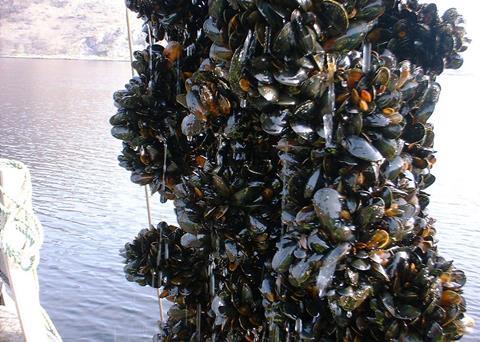
The two-year ShellEye project, led by Plymouth Marine Laboratory, will be helping to advance shellfish farming management practices. The project will initially focus on the development of novel satellite monitoring and short-term forecasting techniques, which will then be integrated into the first water quality monitoring service for harmful algal blooms and targeted pollution events, specifically for the shellfish aquaculture industry.
Changes in water quality, such as the formation of harmful algal blooms, can have a negative impact upon shellfish farms and, in rare cases, can also pose a public health issue through the consumption of contaminated stock. Water quality in and around aquaculture farms in the UK and Europe is currently monitored by government agencies, using a series of tests based on collecting water samples and analysing the flesh of the seafood being farmed.
Enhancing current monitoring practises, through the use satellites and weather forecasts, will provide farmers with a cost-effective, near real-time source of information in the form of electronic bulletins, to help manage shellfish harvesting. In turn, this should help minimise potential health risks and financial losses, which can reach over £160K per closure, and support farmers in making more informed decisions about when and how much to harvest.
Dr Peter Miller, ShellEye project leader and senior scientist at Plymouth Marine Laboratory, said, “Our team will be working with colleagues in aquaculture companies, two in Cornwall and one in Scotland, to extend and adapt approaches that have been successfully developed for salmon farmers so that they can also benefit shellfish farmers. Importantly, this new approach to monitoring water quality around aquaculture sites will help build a multidisciplinary approach to support the UK’s shellfish aquaculture industry."