



Video shows traceability and human rights link
A new video documents how a Thai digital traceability pilot programme has helped boost human rights in the seafood industry.
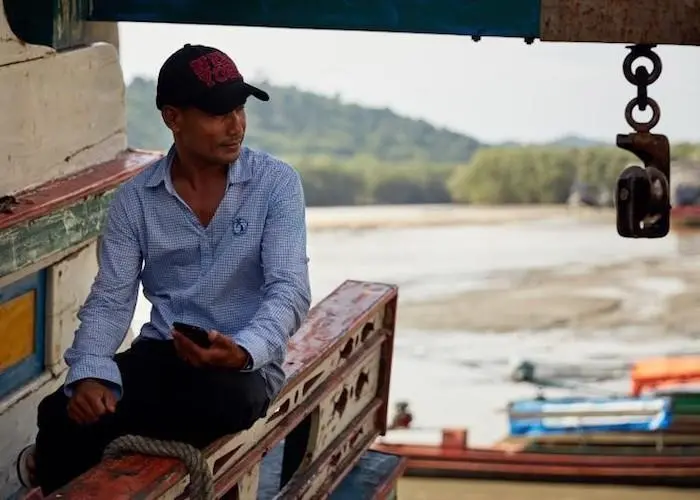
Made by Thai Union Group and Mars Petcare, which implemented the programme alongside a coalition of industry and government groups, the video shows Inmarsat’s ‘Fleet One’ terminals being installed on fishing vessels in Thailand and introduces the crew members, captains and fleet owners trained on chat applications which enable them to connect with people while at sea—an industry first for Thai fisheries.
Global benefits
“You don’t see worker voice and connectivity in every country. Many issues we are finding in Thailand replicate themselves in other fishing communities around the world,” said Darian McBain, Thai Union’s global director for sustainable development.
“For the first time, workers at sea in Thailand are able to communicate back on land. They can communicate to loved ones, find out what’s happening at home, stay in touch, and of course if there’s any human rights abuses, they can contact land and raise the alarm.”
Isabelle Aelvoet, Mars Petcare’s global sustainability director, said: “We are honored to partner with Thai Union and the coalition on human rights. This initiative sets a new standard from an environmental and social perspective for the seafood supply chain.”
The pilot project has the potential to improve traceability and transparency throughout Thai waters and beyond, said Thai Union Group.
Traceability is a key component to ensuring safe and legal labour that benefits workers, producers and consumers by bringing transparency to the entire system.
Made by Thai Union Group and Mars Petcare, which implemented the programme alongside a coalition of industry and government groups, the video shows Inmarsat’s ‘Fleet One’ terminals being installed on fishing vessels in Thailand and introduces the crew members, captains and fleet owners trained on chat applications which enable them to connect with people while at sea—an industry first for Thai fisheries.
Global benefits
“You don’t see worker voice and connectivity in every country. Many issues we are finding in Thailand replicate themselves in other fishing communities around the world,” said Darian McBain, Thai Union’s global director for sustainable development.
“For the first time, workers at sea in Thailand are able to communicate back on land. They can communicate to loved ones, find out what’s happening at home, stay in touch, and of course if there’s any human rights abuses, they can contact land and raise the alarm.”
Isabelle Aelvoet, Mars Petcare’s global sustainability director, said: “We are honored to partner with Thai Union and the coalition on human rights. This initiative sets a new standard from an environmental and social perspective for the seafood supply chain.”
The pilot project has the potential to improve traceability and transparency throughout Thai waters and beyond, said Thai Union Group.
Traceability is a key component to ensuring safe and legal labour that benefits workers, producers and consumers by bringing transparency to the entire system.
Related Articles
 ICELANDIC FISHERIES EXHIBITION
 FISHERIES
 FISHERIES