






Victory for small-scale fishermen
The High Court has backed the UK governments decision to redistribute some of the unused fishing allowances held by big fishing firms to small inshore fishing boats.
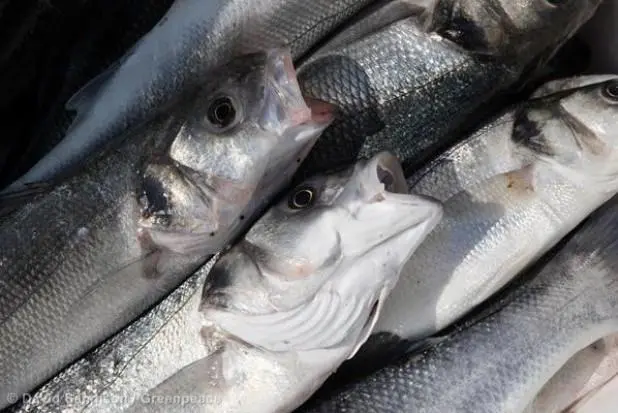
The amount of quota that can be reallocated as a direct result of the ruling, and which covers species like cod, sole, and herring, will now go into a common pool shared by small-scale fishermen in different parts of the UK.
Over 95% of the commercial fishing rights in the UK are taken by a group of Fish Producer Organisations, with small-scale fishermen having access to only 4% of fishing quota despite making up three quarters of Britain’s fleet. Greenpeace says that fisheries minister Richard Benyon’s decision to shift unused fishing quota from one sector of the fleet to another marks the first serious attempt in decades to tackle this imbalance.
The industry heavyweights had claimed that fishing quota cannot be taken away from the current holders because it’s private property. However, this was rejected by Mr Justice Cranston, who acknowledged that “No one can own the fish of the sea.”
Greenpeace and the New Under Ten Fishermen’s Association (NUTFA) intervened in the case to argue that the right to fish must be treated as a public good, and distributed to those fishermen who operate more sustainably, play by the rules, and offer the best return for consumers and the local economy.
Jerry Percy, NUTFA’s chief executive, said, “This ruling entirely vindicates the minister’s decision to reallocate a small percentage of constantly unused fishing quota from the larger-scale operators to those smaller vessels in desperate need of it. It now gives the minister the opportunity to review the entire basis of allocating fishing rights and, through that, provide a lifeline to the smaller-scale fishermen who are the lifeblood of many coastal communities.”
Related Articles
 FISHERIES
 FISHERIES
 WORLD FISHING EVENTS