






Vaccines for Vietnam
Global healthcare leader, MSD Animal Health, is helping protect against a common disease affecting warm water fish in Vietnam with AQUAVAC Strep Sa and NORVAX Strep Si vaccines.
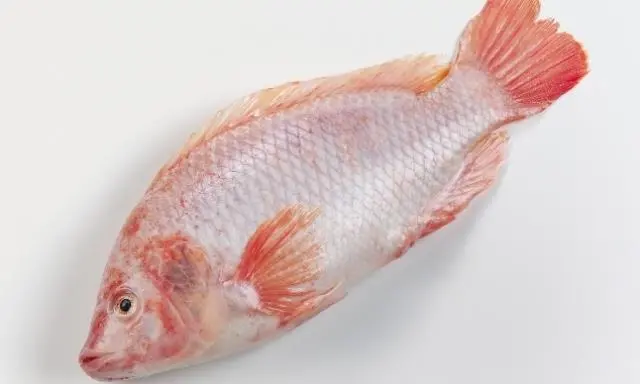
Streptococcus affects warm water fish in both marine and freshwater environments and can result in mortality rates in fish as high as 70%. MSD Animal Health carried out sampling of farms in the world’s most important tilapia-producing regions and found that streptococcus accounted for 70% of all pathogens collected, making it the most prevalent disease affecting tilapia. The two significant species that the new vaccines will protect against as Streptococcus algalactiae and Streptococcus iniae.
“We are pleased that we have obtained the registration for AQUAVAC Strep Sa and NORVAX Strep Si in Vietnam. Once available, these products will help producers protect their fish against streptococcus,” said Norman Lim, MSD Animal Health.
AQUAVAC Strep Sa provides protection against the biotype 2 strain of S. agalactiae, found in Vietnam. In a large-scale field trial in an environment challenged by S. agalactiae biotype 2, AQUAVAC Strep Sa vaccinated tilapia saw a significant improvement in mortality, increased biomass of 15.6%, and feed conversion efficiency was improved by 10% when compared with unvaccinated control fish. In a laboratory test, AQUAVAC Strep Sa protected 85% of fish for over 30 weeks.
Fish vaccinated with AQUAVAC Strep Sa are still safe for human consumption.
NORVAX Strep Si induces protective immunity in warm water fish against streptococcus caused by S. iniae. NORVAX Strep Si can be administered through a bath immersion for fish 3g and above and through injection for fish larger than 20g. It has been proven to offer protection for at least 12 weeks in laboratory studies and 34 weeks in field trials. In a field trial, Asian sea bass injected with NORVAX Strep Si had survival rates of 100% after being challenged with S. iniae, while a control group had survival rates of 37.5%.
“These important vaccines reflect MSD Animal Health’s commitment to supporting producers with effective vaccination and control programmes, such as the ‘Strep Control: Your Tilapia Health’ program for tilapia producers,” added Mr Lim.
The ‘Strep Control Your Tilapia Health’ programme, put in place to support farmers with their health management, will help producers confirm the strain and biotype present on their farm, help them develop a specific vaccination and health programme and give them access to a variety of tools, equipment and expert advice to put in place a best practice approach and demonstrate performance of the health programme.
Related Articles
 FISHERIES
 FISHERIES
 WORLD FISHING EVENTS