



Scientists at Nofima and the Institute of Marine Research have been studying how to utilise the abundance of fish within 100m of fish farms, where it is not permitted to fish.
Studies found that the amount of wild saithe and cod was much higher right beside the sea cages than at a distance of 100m, as wild fish are attracted to physical installations in the sea and they have increased access to food either directly from the fish farms or by grazing on animals that exploit the increased access to food.
The ban on fishing within 100m of fish farms was introduced because of the large risk of damage to fish farms and fishing gear, but the organisation say that the fish attracted to fish farms represent a resource that could be utilised.
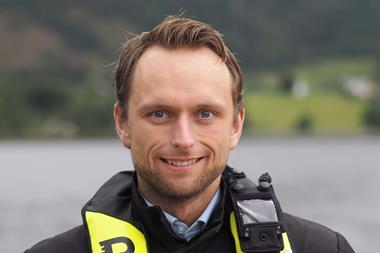
“We know of coastal vessels that have caught their entire cod quota just outside the 100m limit,” says project manager Bjørn Steinar Sæther.
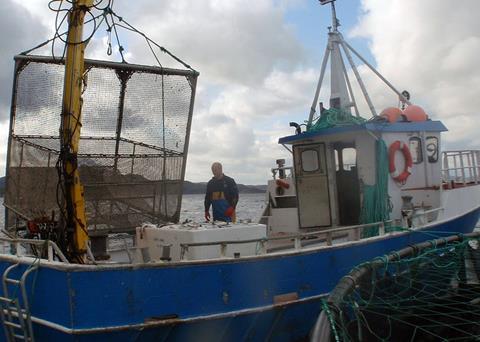
The project tested several types of fish pots, which will be able to provide a gentle live capture, better raw material quality and economic benefits for the fishermen.
Saithe was the predominant species round the fish farm that was studied. Observations indicate that the saithe is attracted to fish farms primarily because of the access to feed.
Saithe dominated the diet of big cod, and the cod caught near the sea cages were larger than those caught 100m from the cages, indicating that the big cod are attracted to the fish farm to eat saithe.
The fish pots that were tested worked relatively well, and the largest fish pots had the best catch. Video observations showed that movements in the fish pots scared away the saithe. Consequently, fish pots should be constructed in such a way as to restrict movement in the water current.
Using fish pots near fish farms offers many advantages. Fish pots are a relatively safe type of fishing gear with respect to damage to fish farms and other installations. As the fish are captured alive, it creates opportunities for controlled killing, bleeding and handling of the catch in an optimal manner, which provides raw material with whiter flesh and less variation in quality.
The quality of the fish caught under the fish farm was studied over the course of a year. With just one exception – in April – a trained panel of sensory assessors identified a small discrepancy in smell and taste which they linked to salmon feed. In general the fish was of good quality as a result of the gentle capture and consequently there were no limitations on processing or sale. There is little, if any, effect on the fish from the aquaculture activity and the fish may, therefore, be sold live or as raw material for any type of processing.