



US West Coast forage fish report released
A new Oceana report looks at the state of West Coast forage species management and what must be done to sustain a healthy ocean food web and a strong coastal economy into the future.
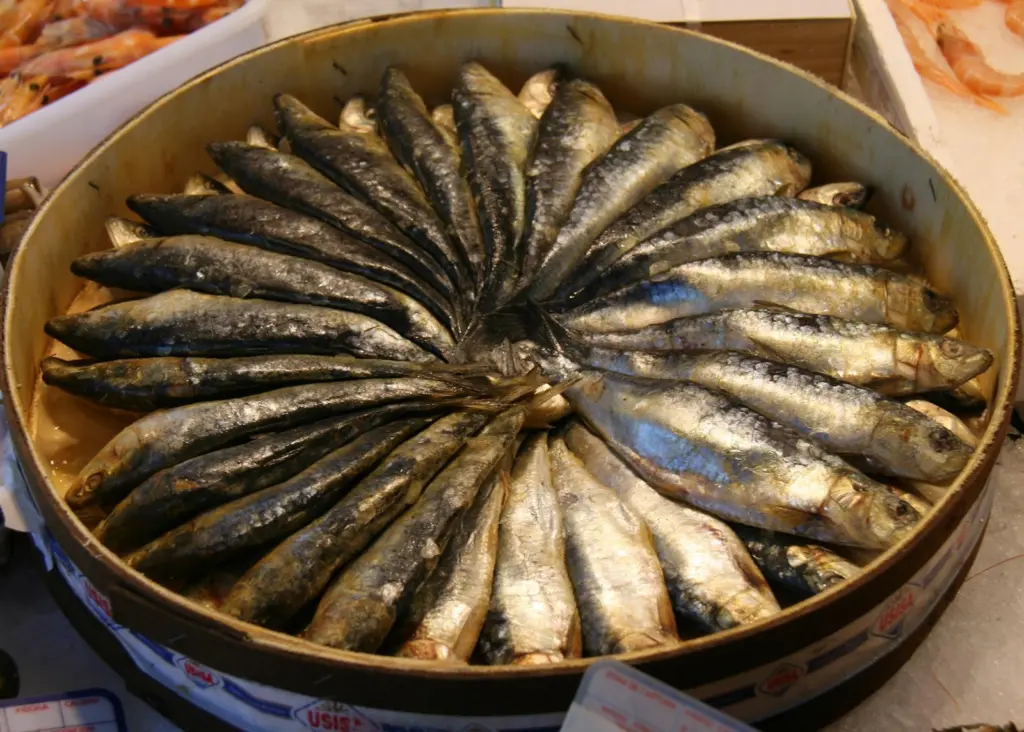
The release of the report, Forage Fish: Feeding the California Current Large Marine Ecosystem, coincides with major decisions this week before the Pacific Fishery Management Council (PFMC) on the future of these foundationally important fish species. Forage species, such as sardines, herring, and market squid, provide food for larger fish, marine mammals, and seabirds.
“The science is increasingly clear that harvest strategies must and can be changed to ensure enough ‘forage’ for salmon, whales and seabirds”, said Ben Enticknap, Pacific Project Manager for Oceana and lead author of the report.
Among the key findings of the Oceana report:
- At multiple levels of state, federal, and international governance, there are major gaps in the management of the overall forage fish base that provides the food supply in this large marine ecosystem.
- When making decisions to set fishery catch levels, managers do not consider how many forage fish need to be left in the ocean to support other valuable fish and wildlife.
- There are ample reasons for concern about the future of forage fish, including overly aggressive harvest rates, increasing demand from aquaculture, and documented population declines.
This week the Pacific Fishery Management Council (PFMC) will respond to two requests made by Oceana to address forage fish management.
First, on Friday, the Council will address Oceana’s request to revise the way in which annual sardine catch levels are decided to properly account for the needs of the ecosystem. Sardines are an important component of the ocean-based economy of the US West Coast, and coast-wide exploitation has steadily increased while the sardine population has been maintained below sustainable levels for the past decade.
On Sunday the PFMC will consider Oceana’s request that the Council prevent new fisheries from developing on currently unmanaged forage species until specific criteria are met. Many other important forage species, including whitebait smelt, Pacific sandlance, and lanternfishes, currently have no federal management and new fisheries could develop at any time without consideration of the consequences.
The Oceana report is available here.
Related Articles
 FISHERIES
 FISHERIES
 WORLD FISHING EVENTS