






UNs fish extinction warning far-fetched
The European fishing industry has called claims from the United Nations that fishing is contributing to an unprecedented decline in nature a bit far-fetched.
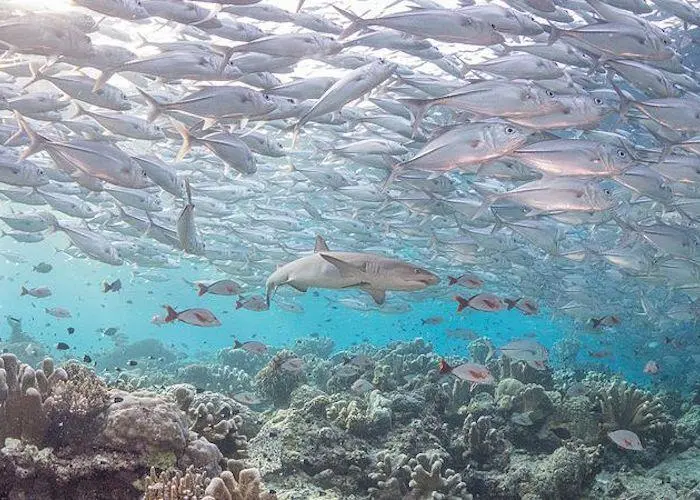
A recent report by the UN expert group on biodiversity and ecosystem services highlights that around 66% of the marine environment has been significantly altered by human actions and that a third of stocks in 2015 were being fished unsustainably.
Europêche stresses that fishing poses no threat to the long-term preservation of marine resources, arguing that, thanks to fisheries management, fish stocks have been generally increasing in many areas and are now 36% higher than in 2003.
Daniel Voces, managing director of Europêche, said that no marine fish had ever become extinct due to fishing. “Fishermen would go bankrupt before any commercial species is fully extinct, meaning that ‘the last one will not be caught’,” he said.
Europêche believes that the report overestimates fisheries’ impact on global biodiversity. A recent analysis has found that the footprint of fishing worldwide is less than 4%, not the 55% claimed by the UN. Moreover, Europêche argues, wild-caught seafood has a low environmental impact because is does not require artificial feed, water, antibiotics of pesticides.
However, the sector does acknowledge that greater efforts are needed to promote sustainability, but points out that two thirds of fisheries are already sustainable. Europêche also highlights the efforts to reduce illegal, unreported and unregulated fishing, arguing that figures are greatly reduced thanks to a strong EU policy.
Despite Europêche’s concerns about some of the report’s content, it is wholly in agreement with the UN’s claim that climate change poses an enormous threat to marine biodiversity.
Related Articles
 FISHERIES
 FISHERIES
 WORLD FISHING EVENTS