


Understanding spatial structure
New research published in the Marine Stewardship Council (MSC) Science Series highlights the importance of understanding spatial structure and meta-population fish stocks when assessing fishery sustainability.
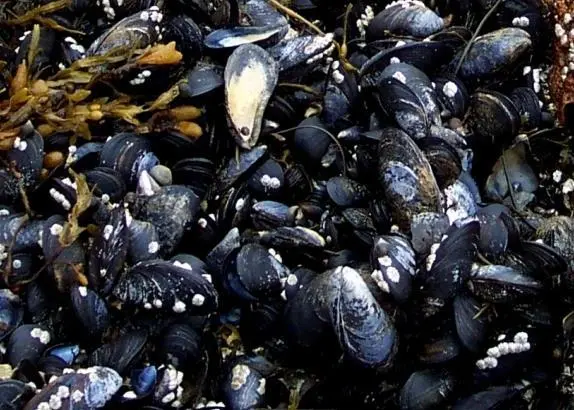
In a comprehensive review of meta-population fisheries, research from Universidad de la República Oriental del Uruguay said that without understanding of the locations of sub-populations as well as the oceanographic processes that connect them, fisheries assessments could be inaccurate, potentially leading to inappropriate management or a higher risk of overexploitation.
Dr Omar Defeo, lead author of the paper, said: “Although the application of the meta-population in fishery assessments is not a new concept, in many situations, little is known about the stock connectivity among them. This is especially a challenge in data-poor fisheries in developing countries. Knowledge sharing and research should be encouraged to further develop solutions to allow long-term success in managing meta-population fisheries.”
In marine environments, sessile invertebrates such as scallops, lobsters and mussels often live in meta-populations, along with some species of fish (eg salmon, herring, mackerel). The authors note that in the Georges Bank scallop fishery, one sub-population of scallops could provide up to 80% of the region’s egg production, demonstrating the importance of identifying critical sub-populations.
In another featured paper, Best practices for managing, measuring and mitigating the benthic impacts of fishing, Chris Grieve and co-authors review best practice in fisheries management when harvesting resources that come into contact with the sea floor.
Both reports provided the MSC with evidence to guide a recent review of its Fisheries Standard.
The MSC Science Series continues to support and contribute to global research on fisheries science by sharing new understanding that underpins the science behind the MSC standard.
Related Articles
 FISHERIES
 FISHERIES
 WORLD FISHING EVENTS