




UN experts back trade ban for bluefin tuna
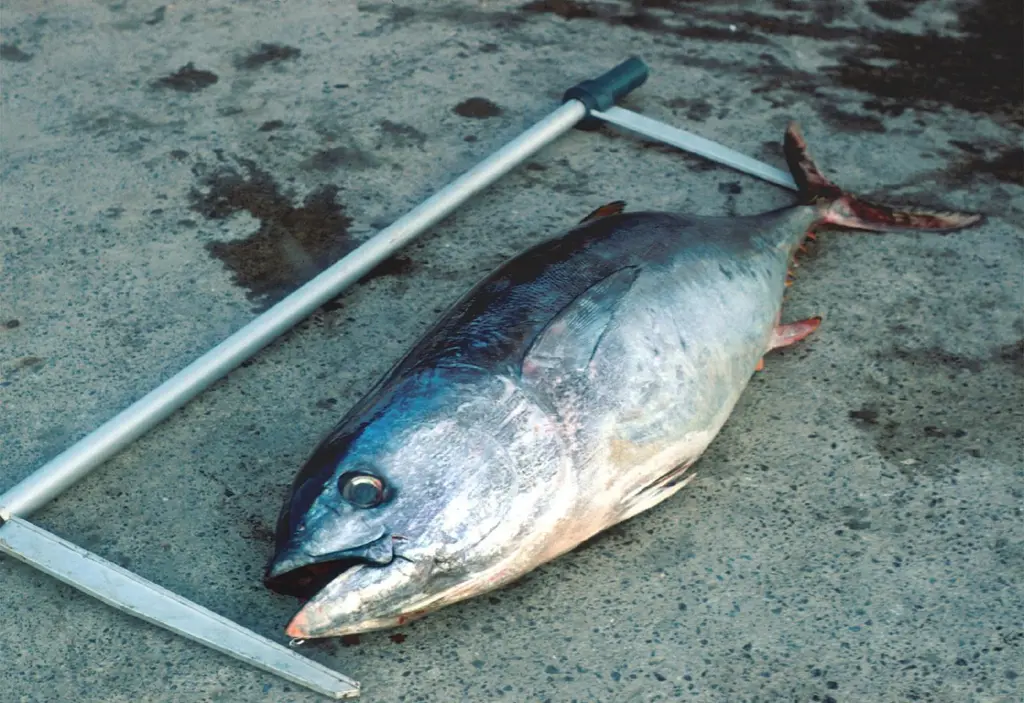
FAO experts have concluded that evidence shows the endangered Atlantic bluefin tuna meets the requirements for an international trade ban.
The experts met as a panel last week to discuss trade regulations governing six commercially traded marine species and whether to recommend further action to protect them from overfishing. Other species considered by the panel included spiny dogfish, porbeagle, red and pink corals, scalloped hammerhead sharks and oceanic white tip shark.
The FAO’s panel is highly influential in how countries vote during the Conference of the Parties to the Convention on International Trade in Endangered Species of Wild Fauna and Flora (CITES), which will hold its 15th meeting of the Conference of Parties in March next year in Doha, Qatar. Countries with strong fisheries interests often rely on advice from the panel on how to vote during these meetings, meaning that the long-term survival of some endangered species often depends on the FAO panel’s recommendations. CITES normally offers its own scientific assessment on all the proposals it receives. However, in response to the concerns of larger fishing countries, it made an agreement with FAO that tasks the organisation with conducting its own technical assessment of proposals for commercially traded marine species.
The FAO opened its statement saying that “a majority of the panel agreed that the available evidence supports the proposal listing under CITES Appendix I of Atlantic bluefin tuna (Thunnus thynnus)” and later highlighted that “an Appendix I listing would be likely to reduce the bluefin catches from both component populations. This would assist to ensure that recent unsustainable catches in the east Atlantic and Mediterranean are reduced.” The recommendation came after the scientific committee of the International Commission for the Conservation of Atlantic Tunas (ICCAT), the regional fisheries management organisation in charge of the Atlantic bluefin fishery, had already shown through their own analysis that the species meets the criteria for a ban on international trade.
“The comments from the UN backing stronger protection measures are a crucial contribution to efforts to save the Atlantic bluefin tuna,” said Dr Sergi Tudela, Head of Fisheries at WWF Mediterranean. “A listing on Appendix I of CITES, which would temporarily ban all international commercial trade, is the best option by far to ensure the recovery and long-term survival of Atlantic bluefin tuna, now severely overfished.”
In addition, the panel recommended stricter trade controls through listing on CITES Appendix II for porbeagle, scalloped hammerhead and oceanic white tip sharks. However, they also said that spiny dogfish and red and pink corals did not meet the criteria for stronger trade controls.
Related Articles
 ICELANDIC FISHERIES EXHIBITION
 FISHERIES
 FISHERIES