





UK mackerel exports up, despite Russian ban
UK exports of mackerel rose by 44% between August and December last year, despite an “unjustified” Russian food ban across Europe.
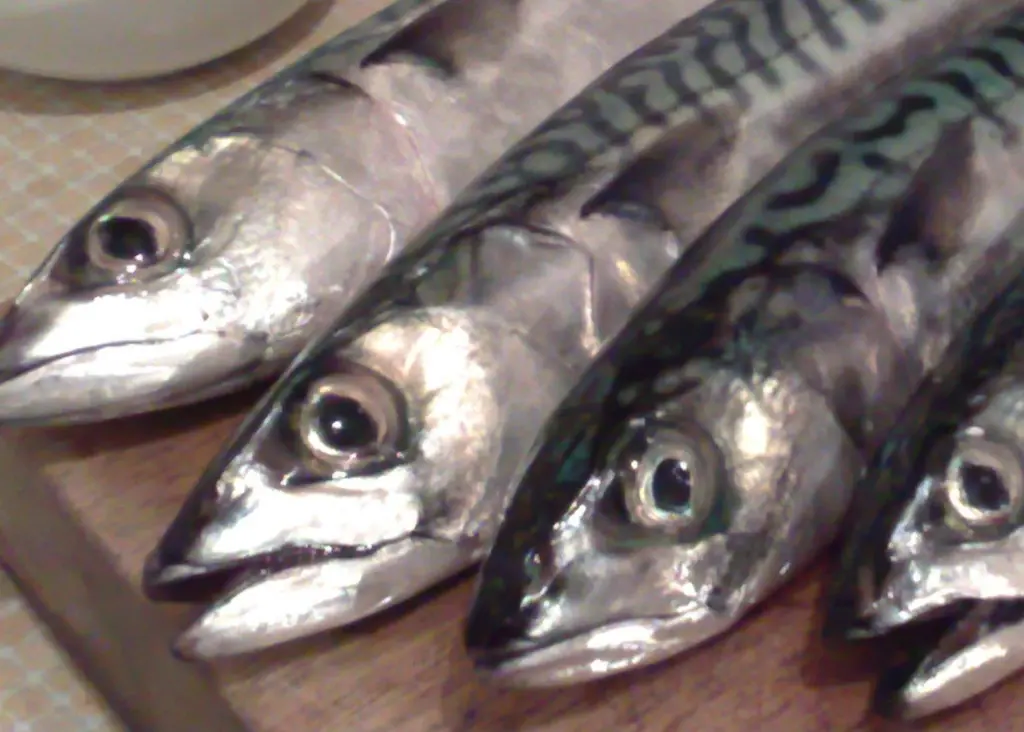
The UK’s mackerel trade, chiefly based in Scotland, was put at risk by this action, with £16 million worth sold to Russia in 2013, but Environment Secretary Elizabeth Truss pledged to support businesses and promote greater trade elsewhere.
In the autumn, the UK government led on negotiations to promote mackerel to Asian buyers. Officials also met with the Nigerian government to reduce import restrictions that hinder EU businesses exporting fish into the country.
Since the sanctions exports to Nigeria have risen by almost £17 million between August and December 2014 compared to the same period in 2013. Exports to China were also up by nearly £5 million for the same period. Total exports increased by £29 million from 2013 to £115m in 2014.
Commenting on the export increase, Elizabeth Truss said, “This government is committed to backing businesses and making sure our long-term economic plan rewards hard-working people across the UK. That’s why I was determined to do all we could to support our mackerel fishermen in the face of this unjustified ban.
“We took swift, decisive action to balance the impact of the ban and have now seen growth in mackerel exports to key markets. This is great news for our fishermen and shows when it comes to quality produce, Scotland and the rest of the UK are leading the pack.”
While international trade negotiations took place to address this gap, the UK government also successfully secured a change to EU law that allowed mackerel and herring fishermen to ‘bank’ and rollover a higher proportion of their fishing quota in 2014 to be used in 2015.The EU Fisheries council agreed to bank 25% of 2014 quota – up from the standard 10% – and roll it over for use in 2015, leading to greater stability for fishermen.
Related Articles
 FISHERIES
 FISHERIES
 WORLD FISHING EVENTS