






Two thirds of fish to come from aquaculture by 2030
A new report predicts that aquaculture will provide close to two thirds of global food fish consumption by 2030, as catches from wild capture fisheries level off and demand from an emerging global middle class, especially in China, substantially increases.
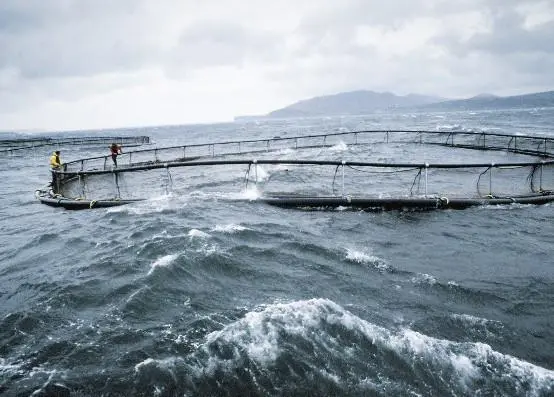
The joint report, Fish to 2030: Prospects for Fisheries and Aquaculture, by the World Bank, FAO and the International Food Policy Research Institute (IFPRI) predicts that 62% of food fish will come from aquaculture by 2030, with the fastest supply growth likely to come from tilapia, carp, and catfish. Global tilapia production is expected to almost double from 4.3 million tons to 7.3 million tons a year between 2010 and 2030.
The report also finds that a major and growing market for fish is coming from China which is projected to account for 38% of global consumption of food fish by 2030. China and many other nations are increasing their investments in aquaculture to help meet this growing demand.
Asia – including South Asia, South-East Asia, China and Japan – is projected to make up 70% of global fish consumption by 2030.
One of the report’s authors Siwa Msangi of IFPRI, said, “Comparing this study to a similar study we did in 2003, we can see that growth in aquaculture production has been stronger than what we thought.”
“With the world’s population predicted to increase to nine billion people by 2050 – particularly in areas that have high rates of food insecurity – aquaculture, if responsibly developed and practiced, can make a significant contribution to global food security and economic growth”, said Árni M. Mathiesen, assistant director-general of FAO’s Fisheries and Aquaculture Department.
Related Articles
 FISHERIES
 FISHERIES
 WORLD FISHING EVENTS