




TUNA 2010 to re-assess whole industry
The various sub-species of tuna comprise one of the world’s “big three” fish trades. Along with salmon and prawns (or shrimp), the tunas totally dominate the global seafood market, therefore representing one of the world’s most important sources of protein.
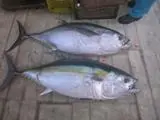
It is not only an important sector, but a very controversial one with producers and environmentalists holding widely varying views on the subject.
The biennial Tuna Conference and Exhibition will be held for the eleventh time in Bangkok in May 2010. It provides the leading global forum at which this vital seafood sector is analysed and discussed.
It also provides the international tuna industry with a convenient and convivial meeting place. Thus it attracts a large and very important collection of the world’s leading tuna industry decision makers.
“Normally, well over 700 delegates and speakers from all over the world participate in the Tuna event. They include catchers, processors, marketers, transporters, their suppliers, scientists, legislators, regulators, mariculturists, environmental NGOs and financiers,” explained exhibition organiser Kishore Navani.
“All the real decision makers of the industry participate in Tuna to the full,” Mr Navani said. “The Tuna Conference is organised by the INFOFISH division of the FAO, a major component of the United Nations. It would not be an exaggeration to describe TUNA 2010 as the United Nations of the tuna industry.”
As always, it is expected that the TUNA 2010 Exhibition will attract as exhibitors the cream of the suppliers of goods and services to the global tuna industry.
Related Articles
 FISHERIES
 FISHERIES
 WORLD FISHING EVENTS