




Tracking changes in the Bering Sea
Changing atmospheric conditions affecting the Bering Sea are forcing sea ice northward, warming water temperatures and altering the volume and quality of marine species, say scientists.
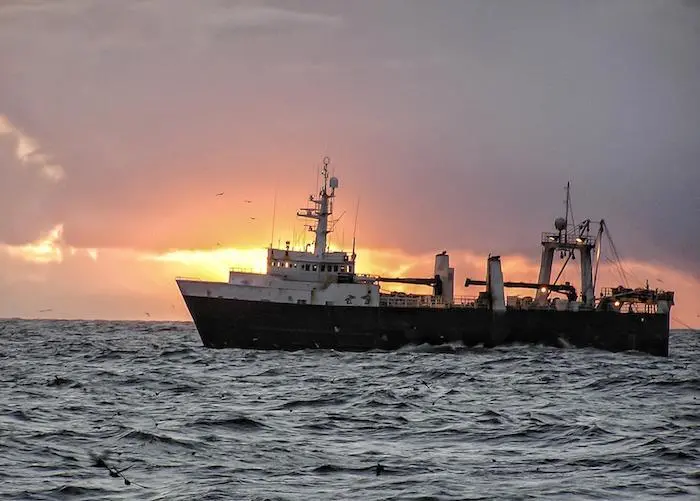
The region has been studied for decades but this year NOAA researchers will conduct vessel surveys from April through to September to try to establish a baseline of data from longer-term monitoring.
“We predict that changing environmental conditions will continue to affect the marine food web structure and potentially the productivity of the northeastern Bering Sea shelf ecosystem,” said Robert Foy, Director, Alaska Fisheries Science Center. “This is going to be a critical year to survey this region.”
Of concern to scientists is the extent of the sea ice which in turn affects the number of adult Pacific cod and pollock. The phytoplankton bloom appeared a month late in June upsetting the entire ecosystem.
Elizabeth Siddon, a researcher at the Alaska Fisheries Science Center and compiler of the annual Ecosystem Status Report for the region, explained, “Zooplankton that feed on the phytoplankton had less fat than usual. There were low levels of fish like herring and caplen, which are food for larger fish, whales, seals and walruses. We also had numerous reports of seabird deaths.”
During this year’s surveys, oceanographers will be monitoring physical conditions such as ocean temperature, salinity, density, ice and circulation patterns, nutrients and currents whilst their colleagues at NOAA Fisheries’ Alaska Fisheries Science Center will be monitoring how marine species are responding to the variations in annual sea ice extent and timing of sea ice retreat.
Related Articles
 FISHERIES
 FISHERIES
 WORLD FISHING EVENTS