




Scientists have released new data showing a dramatic decrease in illegal, unreported and unregulated (IUU) fishing for Patagonian and Antarctic toothfish, which are often sold as Chilean sea bass.
The new data was presented last week at the annual meeting of the Commission for the Conservation of Antarctic Marine Living Resources in Hobart, Australia and issued in a statement by the US government's participants.
Estimates show that IUU fishing within the area regulated by the commission has decreased by 75 per cent, from 10,070 tonnes in 2003 to 2,622t in 2004. The United States is the world's third largest importer of toothfish and along with other members of the commission it has been taking steps to make poaching less profitable, including US retailing controls.
"This welcome decline in toothfish poaching is due in large part to the National Oceanic and Atmospheric Administration's (NOAA) aggressive and sustained effort to ensure we keep poached toothfish out of this country," said Bill Hogarth, director of the NOAA's National Marine Fisheries Service. "The commission's catch documentation programme is working to ensure long-term sustainable fisheries," he added.
The NOAA said several high profile and successful enforcement cases prosecuted against illegal importers in the United States had discouraged IUU fishing. Also the NOAA had made it more difficult for importers of toothfish in 2003 by banning fish caught in the southern Indian Ocean, an area outside of the commission's jurisdiction that is suspected to be a source of IUU fish. Records indicate a drop of 97 per cent in this area from 4,500t in 2003 to a tiny 126t in 2004.
NOAA Fisheries said it will tighten the net further on imports of toothfish into the United States and will lead from the front in the international arena.
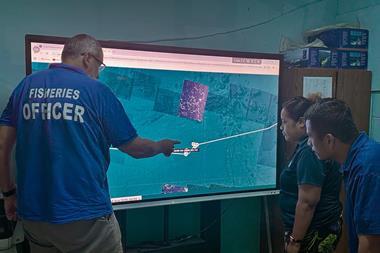
One way of biting back would be a requirement to use the commission's web-based electronic version of the catch documents for all imports of toothfish to enhance the quality and timeliness of information about them. The commission requires all toothfish boats to use satellite-tracking equipment when fishing within the commission's management area. NOAA Fisheries also may require that these vessels use the equipment from the time they leave the homeport to the time they return, if importing toothfish into the United States.
These actions on the part of the commission, NOAA Fisheries and the Department of State provide assurances to law enforcement, importers and consumers that the resource is being managed in a controlled manner for long-term sustainability. It should also improve consumer confidence that toothfish offered for sale in the United States have been legally harvested and imported.