





Toothfish fishery secures MSC certification
The Ross Sea Antarctic toothfish (Dissostichus mawsoni) longline fishery has been awarded Marine Stewardship Council (MSC) certification following an independent assessment against the eco-standard for sustainable and well-managed fisheries.
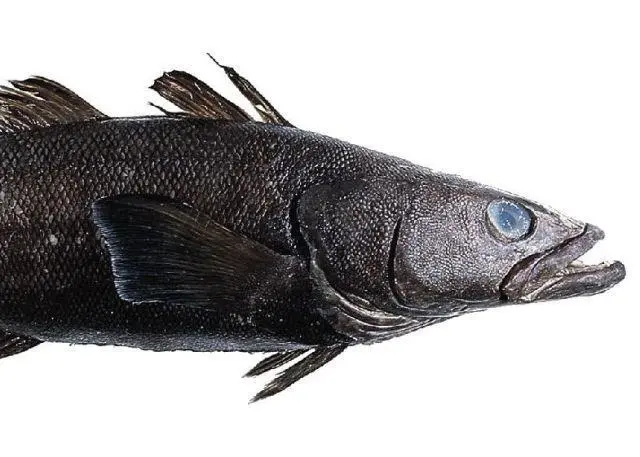
The fishery operates within the Ross Sea ecosystem of the Southern Ocean. All fishing activity is overseen by the Commission for the Conservation of Antarctic Marine Living Resources (CCAMLR) and all vessels operating in the area must comply with CCAMLR and individual flag state requirements.
Management rules and practices closely follow precautionary and ecosystem-based principles. Catch levels and other conservation measures are agreed by CCAMLR, based on the advice of their scientific committee, and accredited observers monitor compliance with these measures on-board each vessel.
The fishery opened in 1996 and has been managed, from the outset, as an exploratory fishery. This categorisation ensures that biological data is provided by each fishing vessels and that a conservative and precautionary total allowable catch (TAC) is set.
The TAC is adjusted annually, and has been in the 3,000 tonne range for a number of years.
Full capture of the TAC depends on ice conditions each season, and some fishing grounds remain covered in sea ice throughout the year, preventing fishing activities. In 2007/08, around 80% of the TAC was actually caught and landed. Vessels belonging to the certified fishery typically account for between one third and one half of total toothfish catches each year from the Ross Sea.
Stock assessments are carried out annually and current assessments estimate the stock levels at approximately 80% of the original biomass, considerably above the target level of 50% of original biomass.
The assessment team initially attached six required improvements to the certification decision which, when fulfilled, will:
· Enhance scientific understanding of the life-cycle of the target stock;
· Broaden the tagging programme to increase the data available for stock assessments;
· Improve knowledge of the benthic habitat of the Ross Sea;
· Improve understanding of the interactions between species; and
· Further reduce uncertainties about the potential impact of the fishery on by-catch species such as rays.
The fishery is also required to promote and co-operate with any relevant processes to identify which areas, if any, need to be closed to fishing. Two further requirements relating to descriptions of the national and international management frameworks for the fishery were added following the decision by an independent adjudicator to uphold elements of an objection to the certification.
As a consequence of this certification, the fishery will also be implementing measures to improve understanding of the impacts of fishing on the Ross Sea ecosystem and, where this can be shown to meet objective biological criteria, co-operate in the creation of closed areas.
Related Articles
 FISHERIES
 FISHERIES
 WORLD FISHING EVENTS