




Toothfish fishery enters MSC assessment
The Macquarie Island toothfish fishery, operated by Austral Fisheries and Australian Longline, has entered full assessment for MSC certification.
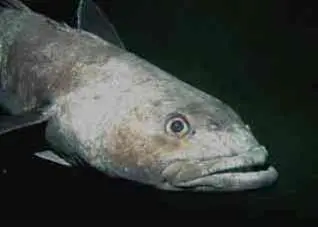
This is the Australian operators’ third fishery to undergo MSC assessment with their HIMI mackerel icefish fishery successfully gaining MSC certification in 2006, and their HIMI toothfish fishery currently undergoing full assessment.
The fishery comprises up to three vessels responsible for a total annual catch of more than 500mt of toothfish using longline and trawl methods. This catch is sold predominantly to the US, Japanese and Chinese markets.
Austral Fisheries CEO, David Carter says: “Seeking MSC certification for the Macquarie Island toothfish fishery is part of our ongoing commitment to sustainable fishing practices, and our broader support for the MSC program as the world’s pre-eminent, scientifically rigorous and independent certification for wild caught fisheries.
“Gaining MSC certification will recognise the collaborative efforts of industry, scientists, fishermen, conservation groups and policy makers to ensure sustainable management practices are in place for this fishery.
“This collaborative working has led to strict management measures being placed on the fishery limiting the number of vessels allowed to operate, setting target and bycatch limits and imposing seasonal closures and stringent seabird mitigation requirements. They have also led to the establishment of one of the world’s largest Marine Protected Areas to further protect biodiversity in the area.”
Australian Longline’s CEO, Les Scott, says: “Australian Longline and Austral Fisheries have also been working together to focus on longlining methods and have agreed not to use trawl fishing while developing improved understandings of the toothfish stocks and their distribution on the Macquarie Ridge.
“This joint operation has shown clear benefits, including improved stock assessment and biological understanding of toothfish by scientists at CSIRO and the Australian Antarctic Division, while at the same time avoiding any interactions with seabirds or other Macquarie Island wildlife. We are confident that these measures will bode well for the upcoming MSC assessment.”
Related Articles
 FISHERIES
 FISHERIES
 WORLD FISHING EVENTS