



The National Fish Producers’ Union – a collective voice for aquaculture
Mr Faruk Coskun is the president of the National Fish Producers’ Union whichexists to bring together fish producers together collectively to manage demand and issues across the sector.
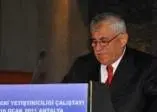
Although Mr Coşkun is 18 years retired from the Ministry, during which time he was involved with inland aquaculture, he is still actively involved in the industry – his company Selina Fish Farming operates a trout farm in the Muğla area which produces 800 tonnes per year for both the export and domestic markets.
The National Fish Producers’ Union is quite new, it was started in 2009, but nonetheless over 50% of fish producers are already members which accounts for nearly 80% of Turkish capacity – the association is now targeting the other 50%.
An annual meeting happens every year during which fish producers take part in workshops as part of a knowledge sharing platform. The workshops are taken by private companies and members of the Ministry in an effort to bring together all major players across the sector. A report is then published which is distributed to members and across the Turkish aquaculture sector.
This year’s meeting
At this year’s meeting there were 450 attendees. Workshops included fish farming and environmental issues, infrastructure, impacts of feed, fry and fish health, subsidies and politics and marketing. Feedback from this year’s meeting included the consensus that the sector should come together for meetings more frequently and that there should be increased marketing for export. Members also spoke about the difficulties faced by companies in trying to implement EU policy.
Mr Coşkun told World Fishing & Aquaculture that this is the whole purpose of the union – “To involve all participants in order to solve problems. Its aim is to bring everyone together in the same direction.”
The future
The union is also working with the Ministry and other associations to help improve fish consumption per capita – especially raising awareness among the younger generation. It wants to dispel the old negative image of the sector as producing poor quality products and being non-environmentally friendly – as portrayed in the past by the media.
It is also working hard to establish a common market value for fish on the domestic market, to make trade fairer across the industry and to better compete with EU countries.
Related Articles
 AQUACULTURE
 AQUACULTURE
 AQUACULTURE