


The end of North Sea cod and haddock fishing?
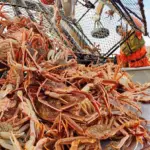
According to a marine expert at the University of Hull, fishermen may no longer be able to catch cod and haddock off the shores of Britain in the next century.
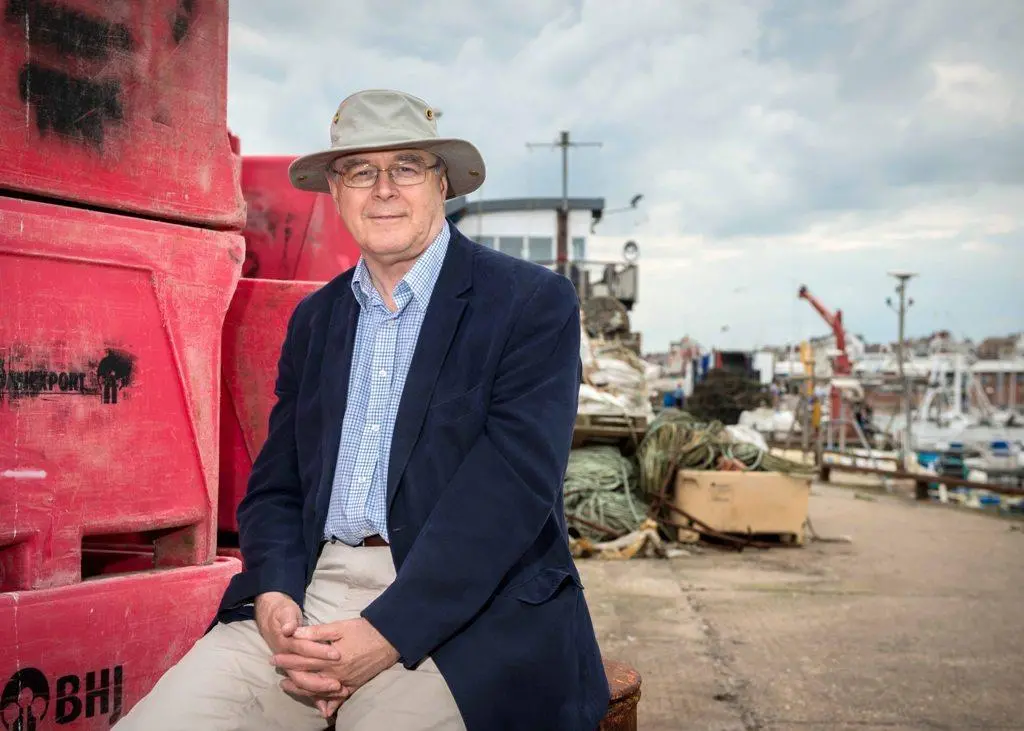
Professor Mike Elliott, Director of the University’s Institute of Estuarine and Coastal Studies (IECS), says that climate change could force some species of fish to move north in search of colder waters to be replaced by species not traditionally caught or farmed in UK waters.
The university has recently announced its role in a multi-national European research project to understand how climate change will affect Europe’s fish and shellfish resources and the economic activities that depend on them.
The Climate Change and European Aquatic Resources project, known as CERES, aims to help fisheries and aquaculture sectors in marine and inland waters adapt to anticipated changes in the climate.
Experts say that urgent action is needed to safeguard long-term food security against a background of global warming.
The University’s primary role will be to assess not only the risks but also the opportunities for fisheries and aquaculture as fish stocks move further north and new species take their place.
Professor Elliott, who is leading the Hull team on the CERES project, said, “Climate change could mean that we don’t catch as many cod, haddock and plaice as we do now.
“Cold water species will move further north and in the next century we might not be able fish for them any longer. However, something else will take their place. A couple of decades ago, anchovies were rare in our waters but now we catch them in the North Sea.
“There’s a risk we will lose species but one of the things CERES is looking at is the opportunities for catching and farming new species.”
The four-year CERES project is being coordinated by the University of Hamburg with funding of more than £4m from the European Commission’s Horizon 2020 Research programme.
Using the latest science, CERES will predict the distribution and production of major fish and shellfish species in different European regions.
Related Articles
 FISHERIES
 FISHERIES
 WORLD FISHING EVENTS